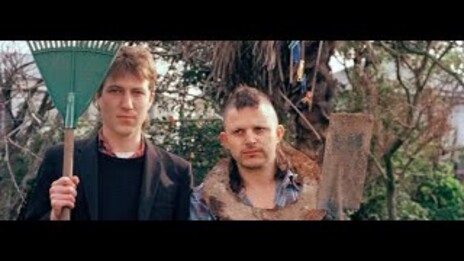
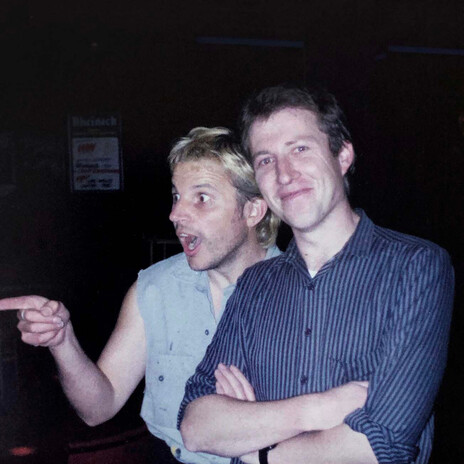
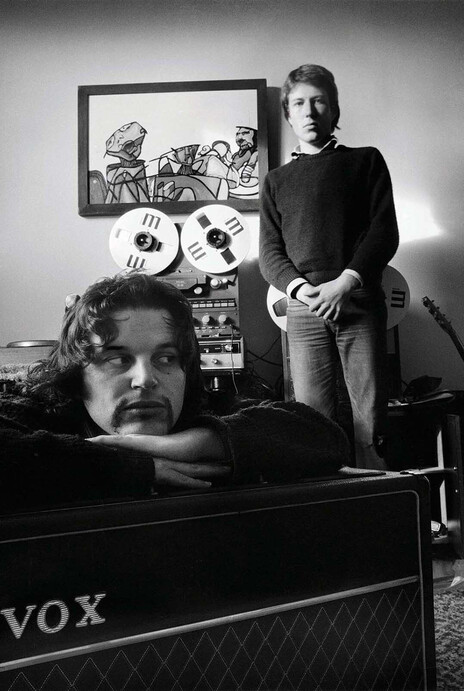
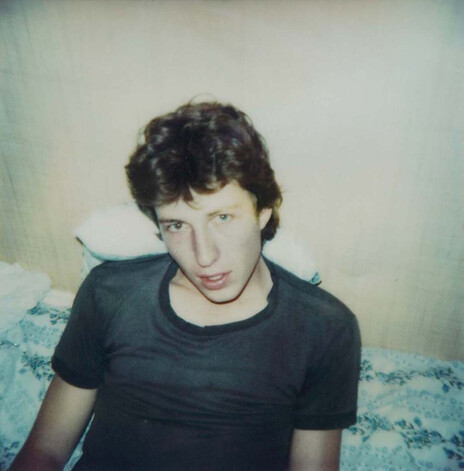
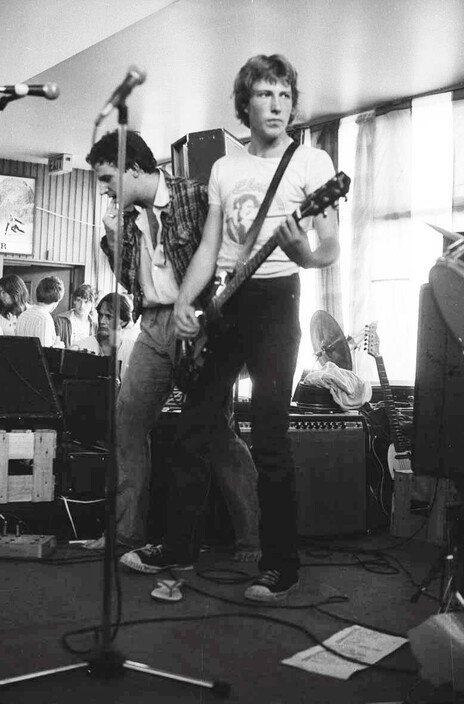
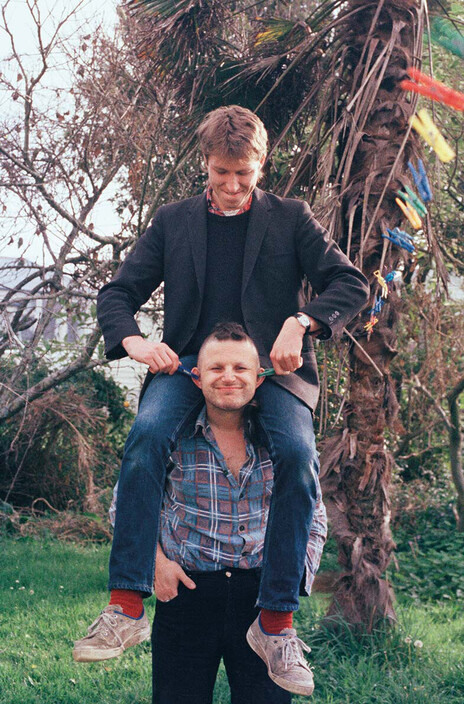
Think of the great double acts through history and they almost always play off their differences, from McCartney’s coyness to Lennon’s snark, Laurel’s innocence to Hardy’s pomp. It wasn’t quite like that with Knox and Bathgate. Knox was always a high-octane character, while Bathgate was shy and somewhat reticent, especially when it came to live gigs and tours away from home. Knox was the great motivator and undoubtedly gave Bathgate the confidence to enter the fray, but almost 50 years after the haphazard creation of The Enemy in 1977 it’s Knox that is endlessly eulogised, while Bathgate quietly goes about releasing the occasional album on Bandcamp, with a minimum of hype. Not that you’ll hear him complaining about it. He’s not like that.
Bathgate’s story is an inspiration to those who don’t seek the limelight
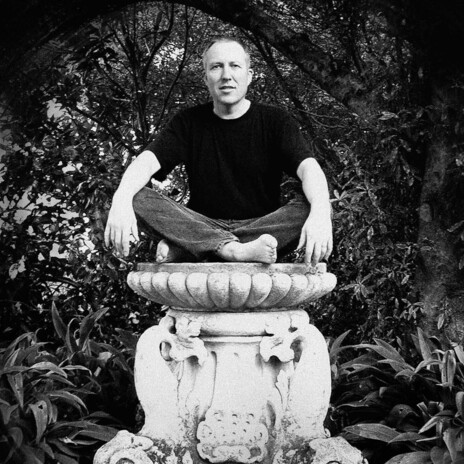
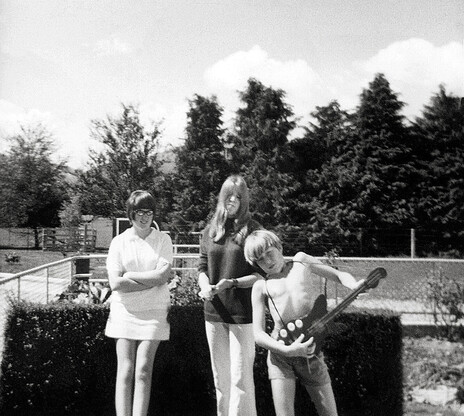
Bathgate’s story is an inspiration to those who like to go about what they do with a minimum of fuss and bother, and don’t seek the limelight. It all starts on a remote farm in Otago, at Tapanui near the small settlement of Gore, home of Kiwi country and where an adolescent Alec first cultivated his record-collecting obsession, scouring the local department stores for obscure musical nuggets. As an only son, the expectation was that he would follow his parents into the farming life, and he did his share of pulling sheep from snowdrifts, harvesting wheat and working in the woolshed, but his dreams were elsewhere.
At a young age he cultivated an interest in popular music, listening to the hit countdown on the radio and watching The Monkees and C’mon TV shows. Seeing the touring C’mon show live in Gore in 1967 was a formative experience. Like so many New Zealand youth, Bathgate’s fandom led to the discovery of a world of music through reading UK music papers New Musical Express and Melody Maker. He loved the heavy sounds of Jimi Hendrix and Black Sabbath for “the big, distorted riffs” but ultimately found his niche with early 70s glam acts like T. Rex, Slade, Alice Cooper, and David Bowie.
“One of the first records that made an impression on me was ‘I Am The Walrus’, says Bathgate. “One of my sisters bought the single with ‘Hello Goodbye’ on the A-side. I would have been eight or so when it came out. I just kept playing it because I couldn’t understand it. It was so weird. It didn’t sound like music. I didn’t know what this was. It was music, it had melody, but it was just so strange.
“Then you get to nine or 10 and suddenly you start listening more intently to stuff on the radio and start reading about music. The really big thing for me was hearing Hunky Dory and Ziggy Stardust, those two albums. I would have been 14 or 15, and that was a big turning point. I was reading NME and Creem and I’d read about The Stooges and the Velvet Undergound and Eno and I bought Here Come The Warm Jets. That was a hugely influential album for me. Then, later on, through Chris’s insistence, I too became a big Beatles fan. So it’s a common thing between the two of us. But it’s deceptive because it discounts a lot of other stuff that we like. I love 60s psychedelia, Hendrix, Syd Barrett, early Pink Floyd, Pretty Things. Also, 60s and early 70s soul: Stax, James Brown, Sly Stone. Lots of other stuff too, weird old folk, blues from the 20s and 30s, Sinatra, surf guitar bands, The Fall, Miles Davis … I mean, I could just go on and on.”
Punk rock was very forgiving: it was all about attitude and sound rather than technique
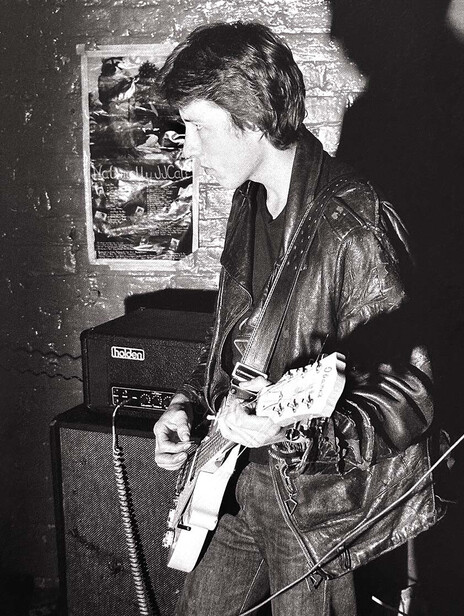
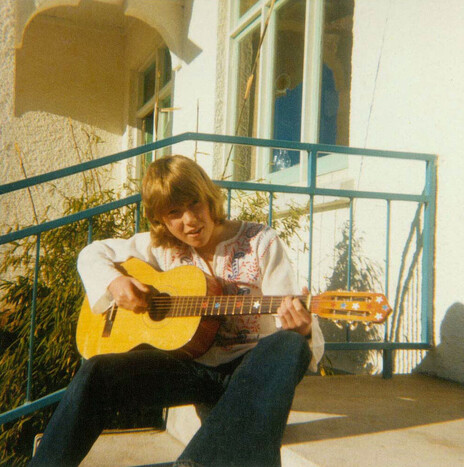
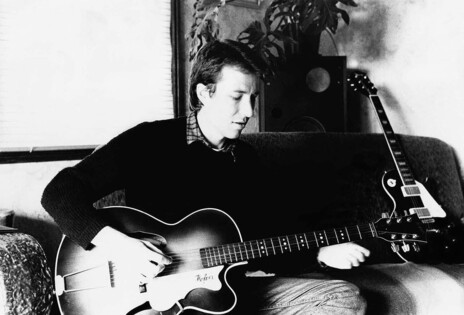
Having also cultivated an interest in the visual arts, Bathgate escaped life on the farm by moving to Dunedin, where he attended art school. After initially learning bass, he graduated to guitar, inspired to do so by the burgeoning punk rock scene. “I wasn’t very skilled at it, but fortunately for me that coincided with punk rock, which was very forgiving. It was all about attitude and sound rather than technique,” he told Richard Langston in 2019.
“I loved Mick Ronson’s guitar playing on the Bowie albums, and I could work out some of his easier riffs on Ziggy Stardust. I played them in a very simplified way, and fast. So when I heard the first Ramones album it made total sense to me as I’d already been developing a similar style of playing.”
Alec is modest about his guitar-wrangling skills, but future The Enemy and Toy Love drummer Mike Dooley, who he met and performed with at art school, immediately understood that there was something special residing within Alec’s limited skill set. “Bathgate’s guitar-playing was impressive, particularly his apparent aversion to any unnecessary frills and his ability to come up with really good riffs,” he told Craig Robertson, author of Not Given Lightly, the biography of Knox.
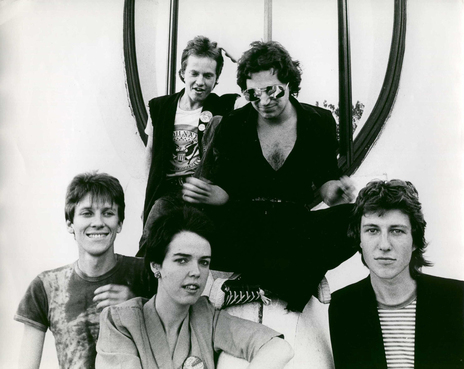
What happened next would change everything. Bathgate met Chris Knox at Jeff Ruston’s Eureka Records when he ducked in to buy The Damned’s ‘Neat Neat Neat’ single. Within a few months, Knox was turning up to Bathgate’s flat to work on original songs in a trio of Knox (voice), Bathgate (guitar), and Dooley (drums); they were soon to be joined by Mick Dawson (bass). It quickly became apparent that with Chris’s vocal melodies and Alec’s riffs, songs were born.
Alec admits that he was very shy at this point and might not have ever played in a band had Knox not given him the confidence to do so. “Chris always shocked me by being so extroverted. That’s alien to my character … I got around my shyness and fear of being onstage because I was loving playing in a band. It had been my dream all through my teenage years … Back when we started The Enemy our self-belief was such that we believed that people would want to know about us 20 or 30 years later. We wanted to leave an impression, and it comes from being fans of records, you’re so passionate about it, you care about every second of a record and you want to try and do something yourself that people feel that way about.”
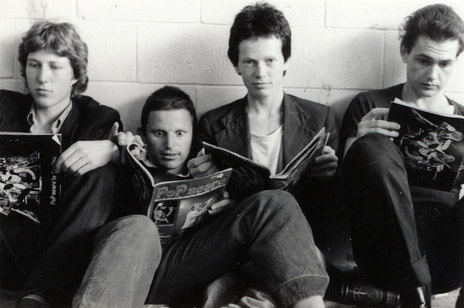
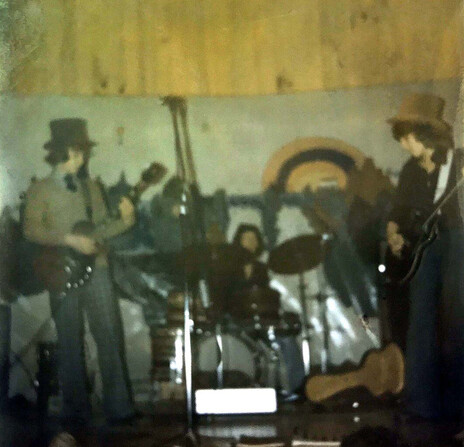
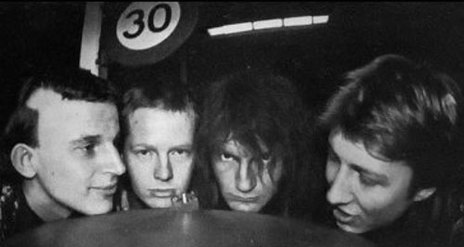
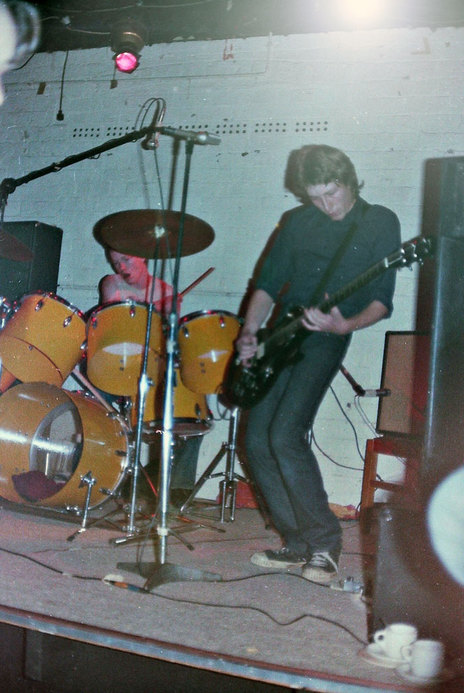
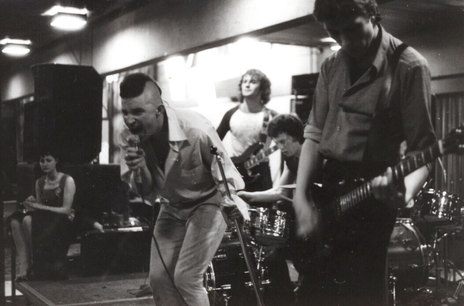
Within a month of forming and still without a name, the band was invited to perform an end-of-year dance at art school, so they became The Enemy, a group that over the next year had a profound impact throughout New Zealand without ever releasing a record. Well-documented elsewhere on AudioCulture, the group had moved to Auckland and evolved by late 1978 into Toy Love, having picked up keyboardist Jane Walker and bassist Paul Kean, and the result was sensational.
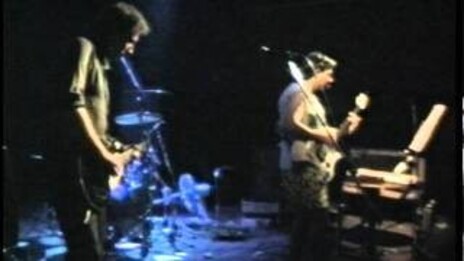
Toy Love was soon touring to packed pubs and audiences were lapping up the group’s incendiary shows, during which Knox could be guaranteed to provide plenty of drama and unpredictability to add to their provocative but always appealingly pop-tinged songs. Alec admits that he loved this period of the band, by this time based in Auckland and touring the provinces to widespread acclaim and growing audiences. And by then, the group’s writing style was set in concrete and working like a dream. He told Langston: “Usually I’d come up with some chords or a riff and Chris had such a great sense of melody he’d sing something over the top and we’d have a new song. I’d play him something and he’d do all the hard work of coming up with the tune and writing the lyrics.”
his limited conventional skills had an impact on a generation of guitarists
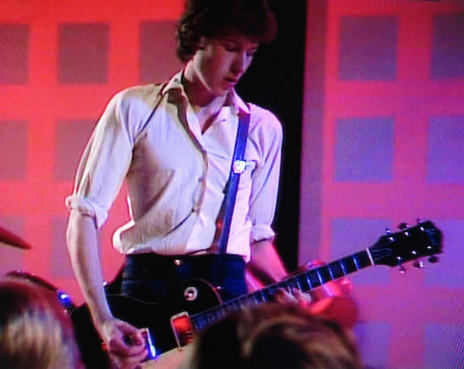
Which of course, is Bathgate being humble again. In fact, what he did with his limited conventional skills had an impact on a generation of guitarists, including The Clean’s David Kilgour, who notes that he was influenced by Alec’s technique of playing with the top string open to create a drone. Alec explained it to Richard Langston: “That’s what I got from trying to figure out how to play Velvet Underground songs. You just hit one string and then you can play notes on the string below it. I still play that way, that’s what I based my style around.”
Toy Love’s moment would prove to be short but with a decades-long afterglow. Having conquered New Zealand, there was debate about what to do next. Their collective aesthetic was in marked contrast to the pub rock sound prevalent in Australia, but having inked a record deal with Deluxe Records, they found themselves in Sydney recording their debut (and sadly, only studio album) with unsympathetic engineers and a mis-matched producer in Dragon’s Todd Hunter. When they heard the results, the collective response was that the guts had dropped out of it. The intrinsic qualities of Alec’s guitar that the punters loved so much came across as weedy on the finished product, partly because of engineering timidity and partly because of poor mastering. The group’s time in Sydney killed the group but helped to give birth to an arguably greater subsequent project, Tall Dwarfs.
Smarting from the major label experience and angry at having the Toy Love sound sabotaged, Knox and Bathgate came up with a crafty project that would prove resoundingly over the next two decades the creative potential of do-it-yourself methodology. That project, Tall Dwarfs, would not only create a phenomenal body of work but make a marked influence on an entire independent scene in the US and the so-called lo-fi aesthetic.
The story of Chris Knox’s portable 4-track tape recorder, which is as entwined with the early days of the Flying Nun label as it is a big chunk of the Tall Dwarfs output, is oft-told. What’s often not mentioned is the fact that occasionally, the duo did immerse themselves in a “real” studio, but on their own terms, not those of record companies, producers or engineers with no idea about the intended results.
Initially, both Knox and Bathgate moved back to Auckland where, armed with a trusty 4-track, the duo made their first stabs at home recordings, and were both shocked and amazed at the result. As Robertson writes, “Bathgate’s guitar sounded the way it should – the sound that had proved impossible to get in Sydney. All they had done was plug the guitar into the small practice amp, turn it up loud, put a mic in front of it and turn the volume down on the 4-track.”
The Tall Dwarfs sound was fresh and unmediated, and these recordings would form the basis of their debut EP, Three Songs, released on Simon Grigg’s short-lived Furtive label in 1981.
As a manifesto for their radical new style, its opening cut/gambit, ‘Nothing’s Going To Happen’, is perfect. Its sound quality can charitably be described as lo-res, but crucially, it captures much of what’s great about this union: a bravado vocal by Knox and a classic pop/rock riff from Bathgate and a kind of DIY Spector-style production. The EP contained elements of everything that’s great about the duo, and why they work so well together, with Knox’s melodic 60s influences pairing brilliantly with Bathgate’s Velvets-influenced guitar stylings. Both are freed to experiment with sound and recording techniques that are occasionally redolent of psychedelic-era Beatles, had they jettisoned the studio environment and gone bush.
Knox and Bathgate broke with convention: there were few precedents for DIY recordings
With hindsight, it seems amazing that Knox and Bathgate had the chutzpah to break with convention and do what they did, at a time when there were few precedents for DIY bedroom recordings. Alec attributes much of it to dumb good luck.
“A lot of these things just happened,” he tells me. “The first EP was the product of getting the 4-track and learning how to use it. We didn’t spend any time learning how to operate the machine, we just dived straight into it. And Simon [Grigg] said, ‘I’ll put it out’. ‘Oh okay, cool.’ And once we became involved in Flying Nun it was very much the same situation. They were happy to put out whatever we gave them, they never questioned it, we never had any feedback like, ‘Oh, we don’t like this song’. It’s kind of amazing, we’d send the tapes over and they’d put it out. I didn’t appreciate when I was younger just what a privilege that was.”
But a problem arose soon after the first EP. Bathgate had decided that he no longer wanted to be a fulltime musician, and he moved to Christchurch. No problem! From this point on, Chris and Alec would get together for a few days at a time specifically to record, which itself became a creative aspect of the project, because the brevity of their time together would dictate what they could achieve, and lead to a level of spontaneity that the punters either loved or loathed.
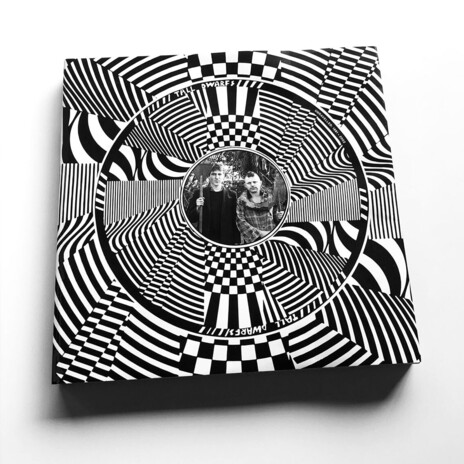
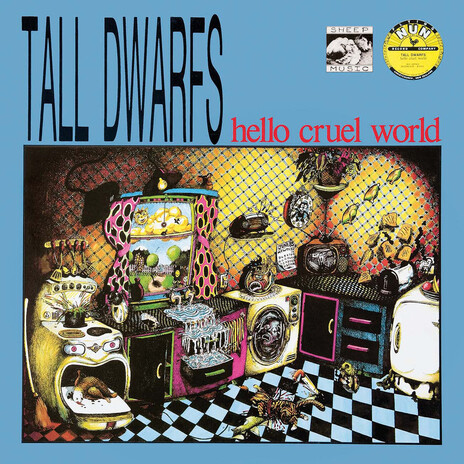
Over the years, there was some justifiable criticism that Tall Dwarfs could be indulgent at times, most likely because Knox’s pet lyrical obsessions were less obscured in this unconventional and stripped-bare context. But one person’s idea of indulgence is another’s ultimate audio innovation and, as the Tall Dwarfs box set successfully set out to prove 41 years later, there’s a world of wonder in the eight EPs and six albums the duo released between 1981 and 2002.
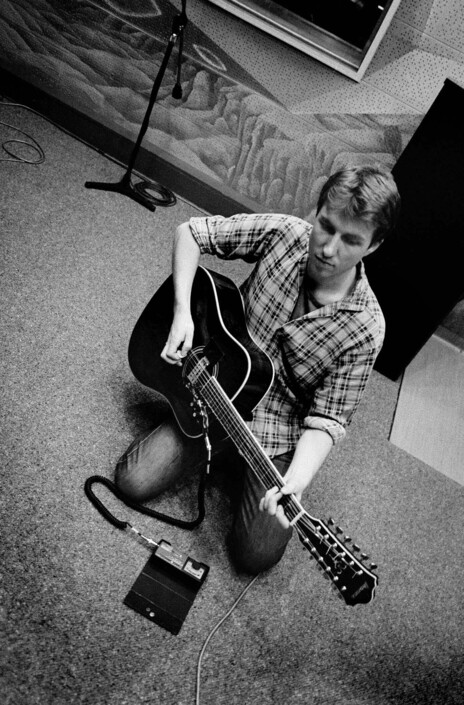
Their next EP, recorded in Christchurch, was Louis Likes His Daily Dip, the first in a long line of Flying Nun releases. Although largely Knox sings and contributes the vocal melodies on Tall Dwarfs recordings, it’s notable that this release features ‘Pictures On The Floor’, a Bathgate composition, on which he played his 12-string acoustic.
Tall Dwarfs was primarily a recording experiment which often featured “found sound”, unusual placement of mics or recordings in rooms with different acoustic characteristics. On top of this, Knox and Bathgate overdubbed various instruments. Turning the project into an occasional live proposition, therefore, proved problematic, and their early shows were often lambasted for being overly shambolic. By the 1990s, however, with interest in Tall Dwarfs running high in the alt-rock sphere, and groups including Yo La Tengo and Pavement citing them as important antecedents, they would eventually bow to pressure and tour overseas.
With Bathgate about to move to the UK in 1985 for an indeterminate period, Tall Dwarfs recorded what they figured might be their last-ever release, That’s The Short And Long Of It. This included an epic re-recording of ‘Nothing’s Going To Happen’ along with 22 additional contributors at Mascot, a 16-track studio in Auckland. Happily, he returned in 1986, and there were then two EPs recorded in quick succession: Throw A Sickie (1986) and Dogma (1987). By 1990 they had recorded their first long-player, Weeville, by which time Knox was regularly sending Bathgate tape loops ahead of their short recording sessions. Bathgate had taken up a career as a graphic designer in 1985, and was busy raising a family, so recording time had to be carefully planned.
With Bathgate working as a graphic designer, recording time had to be carefully planned
“It’s my main job,” says Alec today. “Post-Toy Love, I’d had a few different jobs and had started a family, so I needed some steady income. I needed to have a career, and I’d been heading in the graphic-design direction from doing covers and posters for The Enemy, Toy Love and early Tall Dwarfs.” In fact, Alec’s artwork graces many of the early posters and Flying Nun record covers and, with Chris, his visual style is synonymous with that of the label.
Despite their geographic distance, Knox and Bathgate managed to pump out numerous Tall Dwarfs releases in the late 80s and through the 90s. However during that decade, while they were revered overseas in certain niches (even touring the US as support to Yo La Tengo), locally there seemed to be little appetite for their ever-expanding musical catalogue. As Knox biographer Robertson notes: “Unlike the more immediately catchy and poppy fare of most of the [Flying Nun] label’s releases, Tall Dwarfs records were weird and abrasive. Yes, they sounded like The Beatles, but they also sounded like your worst nightmare.”
I would put it differently. There’s something hermetic about Tall Dwarfs music and that can make the listener feel a little claustrophobic. It’s a similar feeling listening to anything singular, where the artist has created his own tiny universe. A great reference point for this is San Francisco project The Residents, whose music is, like that of Tall Dwarfs, completely removed from the usual fare, but listening to it can make you feel a little destabilised.
It’s certainly true that the 1990s recordings of Tall Dwarfs came into existence slightly differently. Recording in-person still occurred but the result was often unfinished fragments that would end up being augmented and altered and finished via post-operative editing.
Despite small differences in their approach with every project, overall, the Tall Dwarfs’ spontaneous way of working was remarkably consistent over a long period of time. Thinking about the experience and the longevity of the partnership, Bathgate says, “We just started doing it that way and it seemed to work. We liked the ease with which we could make records, it was uncomplicated. I’ve always liked the records we made because I felt that we made a world of our own, so that made us different for a start. And I liked that; I liked that we didn’t sound like anyone else.
“In Toy Love we had the experience of being in a successful rock band. We weren’t super famous, but we had enough that we knew what it was like and didn’t really want it. We were happy to walk away from that. And it meant after that there was no desire for success. Success was recording something we both liked. That was our only motivation. We didn’t think about if the record sold. I’m sure the record company did, to cover their costs. I just enjoyed making them and knew that there was no chance we were going to be successful, that just wasn’t going to happen. That was our mindset.
“The recordings were very spontaneous, and we didn’t generally have songs pre-written and that made it very creative and in the moment. We’d go into a room, turn on a tape machine and think, ‘What are we going to do?’ Pick up a guitar or a keyboard, and put something down. ‘That sounds good, what shall we add now?’ And that’s how a lot of the songs happened. So, what you hear is the song being made, rather than the process where a song has been written and refined. What you hear was often first or second take. We didn’t go back and try to improve it. We had to work fast because we didn’t normally have long. Often Chris would come to Christchurch, and he might be here for just a few days or I’d go to Auckland.
“I’ve always worked, and it was difficult for me to get away, so it was often a condensed period of time, there wasn’t time to second-guess stuff. I like the spontaneity of it and the fact that it’s kind of loose and not honed to perfection. The recording process can be quite false in a way, in that things are honed to perfection and reworked until every musical part is perfect. I’m not against that because there’s a lot of records I love that have been made that way. But with our stuff we liked working very quickly, because it was an enjoyable process. We didn’t know what we’d come up with. A lot of songs were recorded in a very short period of time and, then it was ‘What should we do now?’ and we’d move onto another one. Part of the fun of the process.”
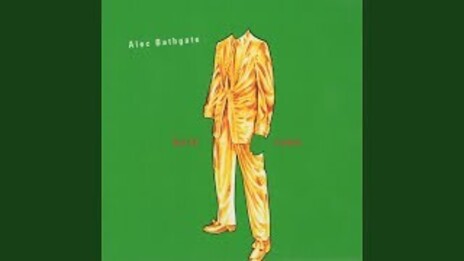
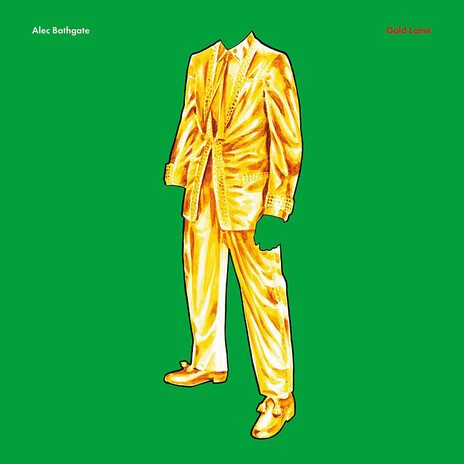
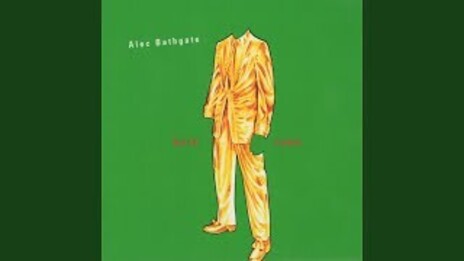
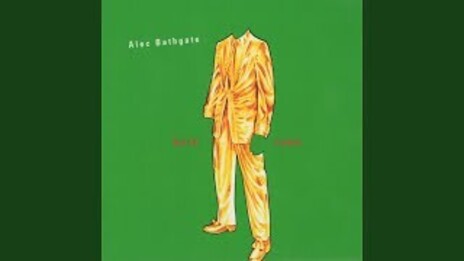
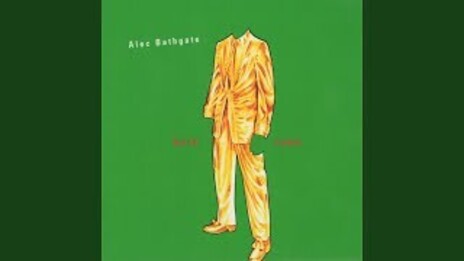
1996 saw the release of Bathgate’s first solo album, ‘Gold Lamé’
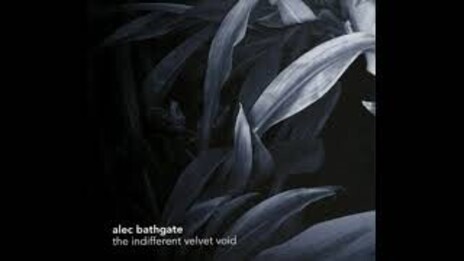
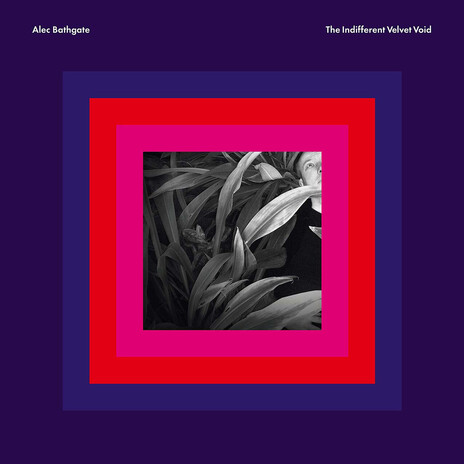
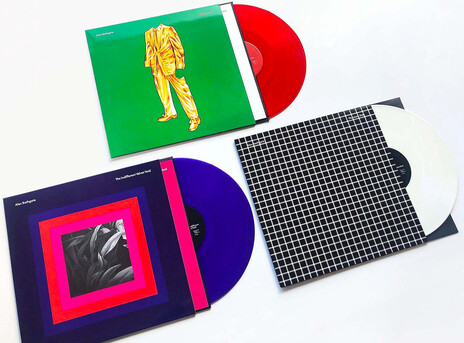
1996 saw the release of Bathgate’s first solo album, Gold Lamé. Recorded in his Christchurch garage on a 4-track with all the knowledge acquired over the previous 15 years of Tall Dwarfs activity, it’s an impressive outing with plenty of his patented guitaring. The record also gives him a chance to show that he’s adept at layering loops of xylophone, piano and Casio keyboards that render it in dayglo colours. Even better was The Indifferent Velvet Void (2004) for which Bathgate switched from Flying Nun to Auckland indie Lil’ Chief Records. Working digitally this time in a room in his house, he uses all manner of instrumentation on this slightly psychedelic, gleefully glam release.
These two solo albums are a multi-hued window into Bathgate’s musical universe. While using the methods created and employed by Tall Dwarfs, they showcase his musical preferences. Shorn of Knox’s extreme and occasionally repulsive imagery, Bathgate’s two song-based albums are slyly witty both lyrically and musically. It’s clear that we’re listening to someone who has a terrific knowledge and love for the specific moments in the popular culture of the 60s and 70s that mean something to him, with an especial fondness for the pure pop of the mid-to-late 60s to the psychedelia of the late 60s, and the glam of the early 70s, but all the while just avoiding pastiche. And on songs like ‘Life Ain’t Easy (When You’re Dead)’ he displays a darkly humorous wit that, while lighter than that of his Tall Dwarfs pal, is indicative of the connections that kept that partnership going for so many years.
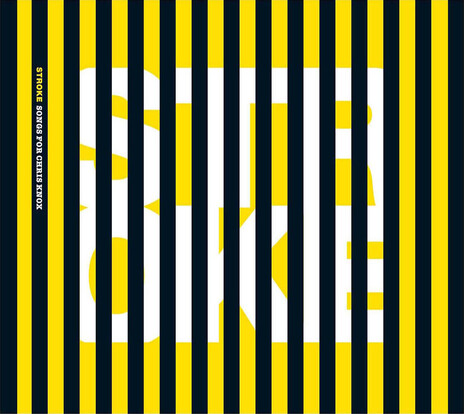
Two years before Bathgate’s The Indifferent Velvet Void had seen the release of Tall Dwarfs’ The Sky Above The Mud Below (2002). This would inadvertently turn out to be the final Tall Dwarfs album prior to Knox’s 2009 stroke, effectively ending the collaboration. Bathgate has been quoted as saying that Tall Dwarfs was still very much a going concern at the time of Knox’s debilitating stroke and that he’s certain that the entity would still exist had Knox still been in fine health.
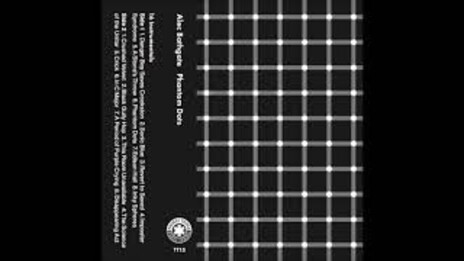
The only other publicly available recorded evidence of Bathgate’s musical endeavours in the 21st century – in a solo context, at least – is the intriguing instrumental album Phantom Dots (2020). “I’d been listening to a lot of instrumental music in recent years,” he says, “much more than when I was younger, because when I’m working, I like to play instrumental music that meanders along and not too much happens. But my thinking when I did that one was that I wanted it to feel like an album of songs, and keep everything short, and quite different, because I thought it’s more interesting for the listener. Lots of people have done great albums with long ambient pieces, but my thinking was to kind of mix it up with some straightforward and some weird little things in there as well.
“One of the things I liked about it was that I didn’t have to write any lyrics and I didn’t have to think about song structures. I’d start recording something and just see where it went. That’s more fun than having to work on a song. And anyway, I hadn’t recorded for a long time, and I’d just got back into playing guitar and it all just came quite naturally. I find the drive to play music ebbs and flows a bit. I have periods where I don’t feel like doing anything, I just let it follow its own course.”
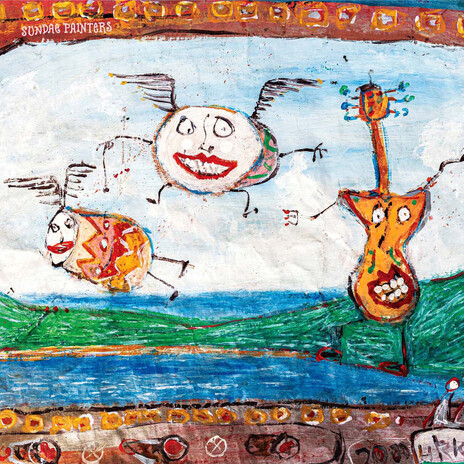
Bathgate also contributed lashings of his most psychedelic guitar to the only album by Sundae Painters, an enjoyably ramshackle recording featuring Paul Kean and Kaye Woodward of The Bats and Hamish Kilgour of The Clean. Recorded in 2022 and released in 2024, it would prove to be a parting shot for Kilgour, who sadly died in 2023.
“Paul Kean got in touch to say Hamish was back from New York and wanted to catch up,” says Bathgate. “I went over to Paul and Kaye’s and added guitar to some things they’d started, and Paul, Hamish and I did some playing together. I hadn’t played with a drummer and bass player for 40 years! I’d forgotten how freeing it was.
“Along with the few songs we worked on, Paul had recorded all our practices, so we were able to piece together an album. I’m pleased we were able to document that brief time together. Hamish was a lovely person. I was a real treat to get to play with him.”
While the self-titled album might seem like a footnote to some, the record proudly exhibits its ragged beauty and is a great opportunity to hear these co-conspirators in a congenial, relaxed and unfettered creative mode.
What came next wouldn’t be more new music but instead, a major project looking back and chewing over the long and winding history of that decades-long collaboration with Chris Knox: Tall Dwarfs.
Read more: Alec Bathgate on the Tall Dwarfs’ Unravelled