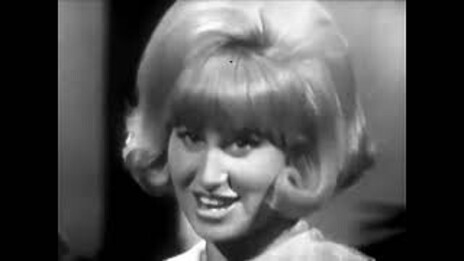
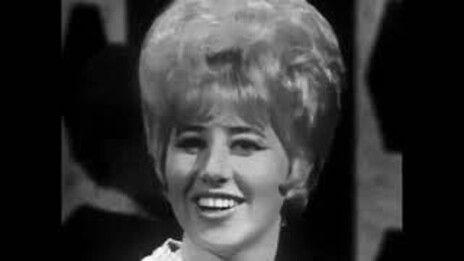
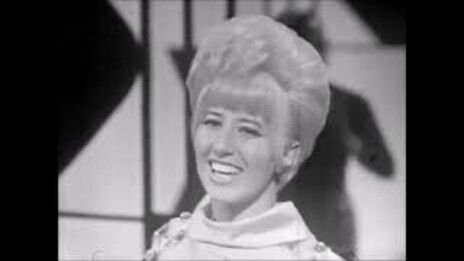
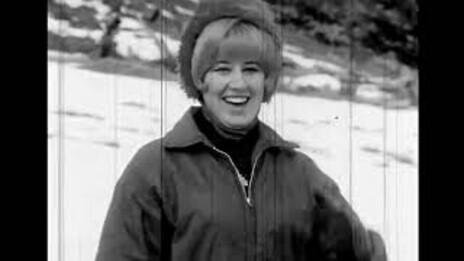
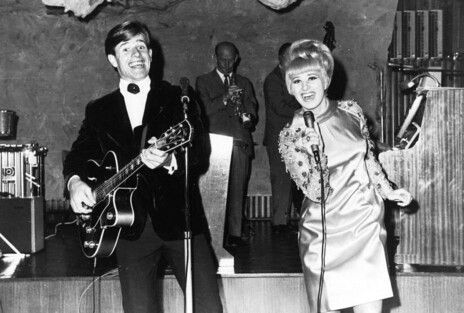
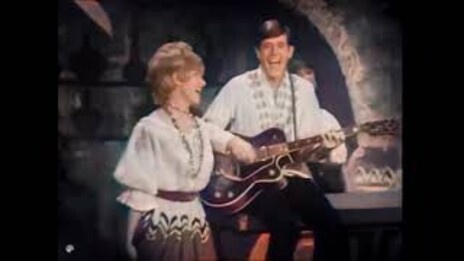
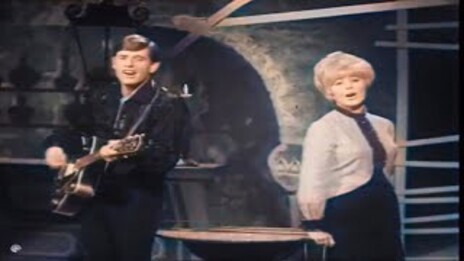
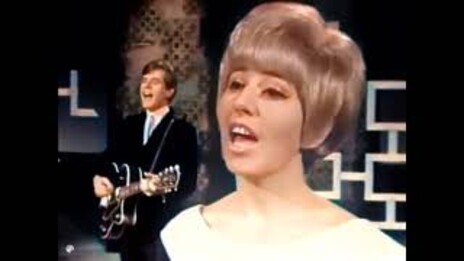
Born in Blenheim in the early 1940s, Anne and Jimmy spent their childhood in Nelson until the family settled in Auckland. Anne attended Northcote College, and Jimmy attended Henderson Primary School and Henderson High School.
Inspired by American cowboy singers Roy Rogers and Gene Autry, Jimmy started singing and yodelling at the age of four, accompanying himself on the ukulele. “I was the first musician in the family,” Jimmy told AudioCulture. “My parents were ballroom dancers. They had never been musicians, but we were a musical family.”
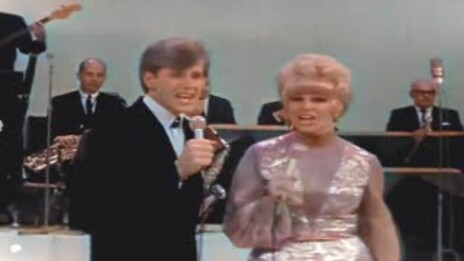
Whenever there was a gathering of people, Jimmy would be called on to entertain with his yodelling. At the same time, Anne would start performing to get some of the attention for herself. Before long, they had become a double act; Anne’s boldness cancelling out Jimmy’s shyness.
Before long, they became a double act; Anne’s boldness cancelling out Jimmy’s shyness
Deaf in his left ear from a childhood accident, Jimmy’s introverted nature wasn’t helped when he was on stage singing ‘Rockin’ Robin’ with a Māori band and a man in the audience beckoned him mid-song. “Hey, mate, you’re painful,” said the fellow. “Can I get my two bob back?”
A move to Wellington in the late 1950s saw Jimmy fall under the spell of skiffle group The Swampdwellers, whose number included guitarists Neil Harrap and Mike Shackleton, and budding promoter Ken Cooper. “They were the first local band that I started listening to, and I wanted to learn to pick guitar,” Jimmy said.
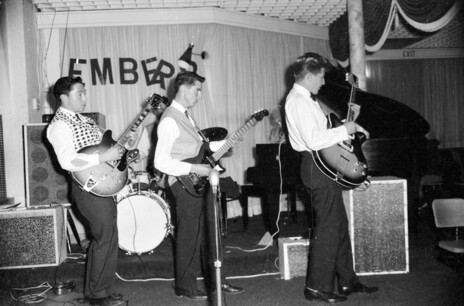
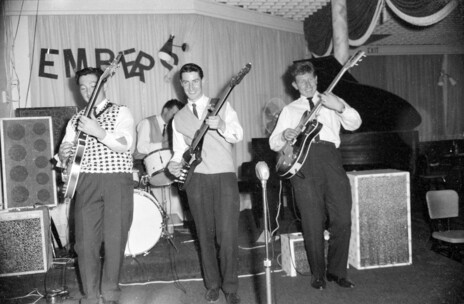
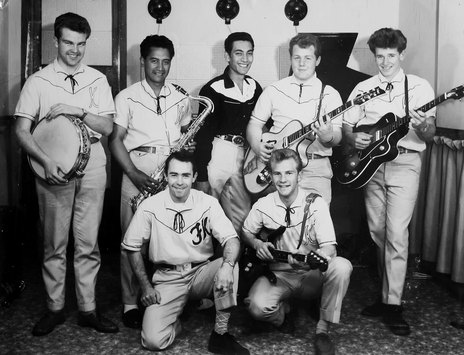
He immersed himself in Chuck Berry records, and by the time the Murphys returned to Auckland he was set on joining a band as lead guitarist. With new guitar in hand, Jimmy was in a coffee shop when a passerby suggested he hoof it up the road where Freddie Keil was auditioning guitarists for his band The Zodiacs, soon to be renamed The Kavaliers. “Can you play Chuck Berry?” Keil asked. Minutes later, the job was his.
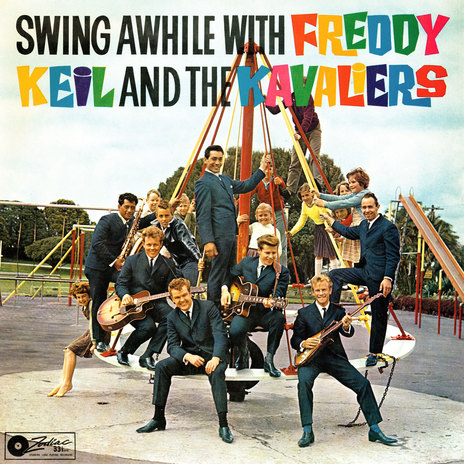
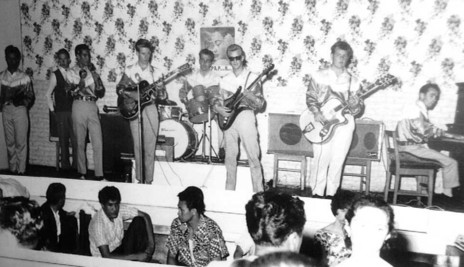
Freddie had broken away from his cousin Herma Keil’s Keil Isles and signed to Eldred Stebbing’s Zodiac label. In their matching satin two-tone cowboy shirts, Freddie Keil and The Kavaliers held residencies in Auckland and would monthly tour the top half of the North Island. They released 13 singles and the album Swing Awhile With Freddy Keil And The Kavaliers, with Jimmy Murphy front and centre on the cover.
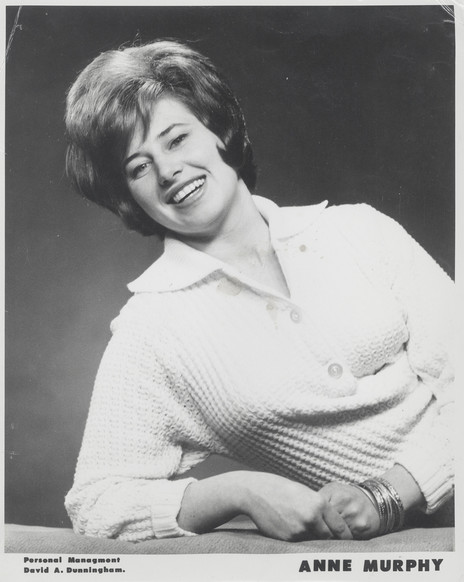
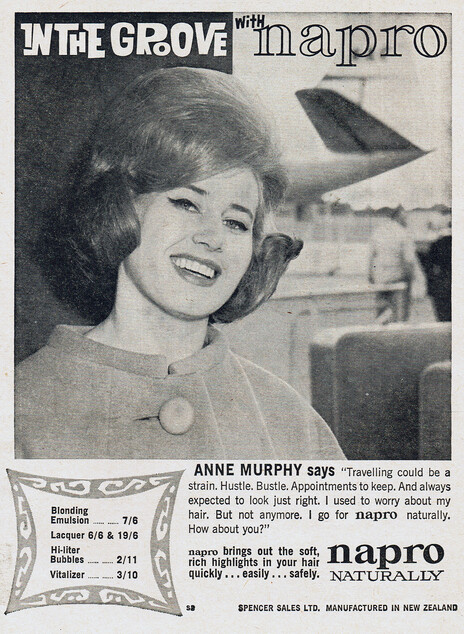
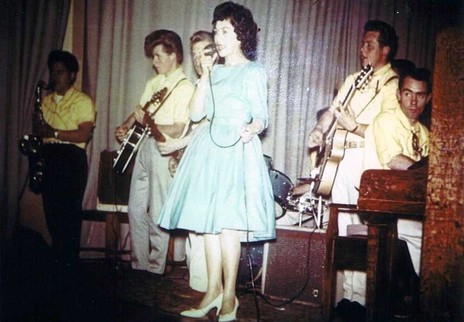
Meanwhile, the attractive Anne Murphy had been recognised by a television producer who put her on pop show In The Groove. Promoter Dave Dunningham was impressed enough to add Anne to the bill of New Orleans singer Clarence “Frogman” Henry’s New Zealand tour in December 1962. There she was backed by Sonny Day and The Sundowners.
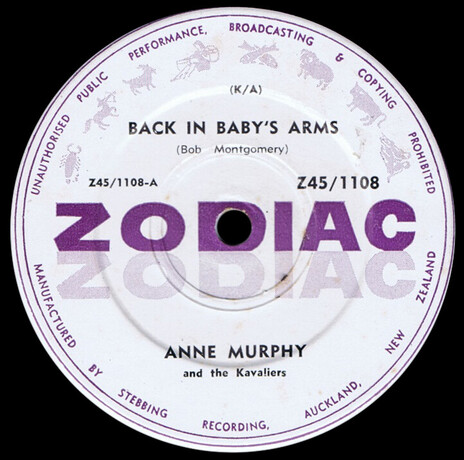
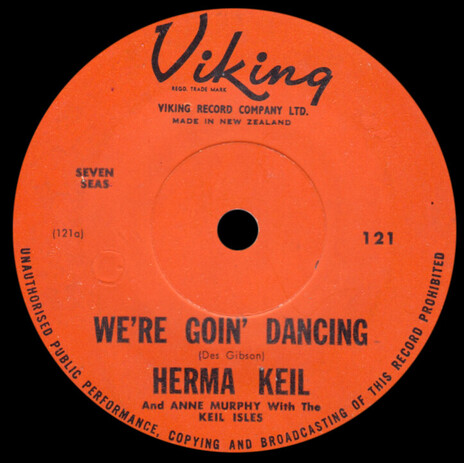
The Sundowners also accompanied Anne on her Viking singles ‘Lessons In Love’ and ‘Big Girls Don’t Cry’. She was the duo partner on Herma Keil’s Viking single ‘We’re Goin’ Dancin’, and The Kavaliers, with Jimmy on guitar, were her credited backing group on two Zodiac singles – ‘Back In Baby’s Arms’ and ‘My Heart Said Bossa Nova’.
By complete chance, Jimmy Murphy had become the bass player for the AKTV-2 talent show Have A Shot alongside bandleader, arranger and pianist Crombie Murdoch. “I wasn’t really a bass player, but the producer, who had taken a shine to Anne, came to our house for dinner, and he saw me and he said, ‘Why doesn’t Jimmy play bass in the house band?’ So, they put me, who was getting fairly decent on the guitar, on bass, and I was with two really high-level jazz players. They tolerated me; they were real nice, but I was there because of my looks!”
Anne Murphy’s success on record and TV brought plenty of floor show work around the Auckland clubs, but she was often unhappy with the performances of the backing bands. Enter little brother Jimmy. “So, I went out with her on guitar and got the right groove and then Anne was comfortable to sing her songs,” Jimmy said.
With encouragement from Anne, Jimmy was soon adding harmonies, à la The Everly Brothers
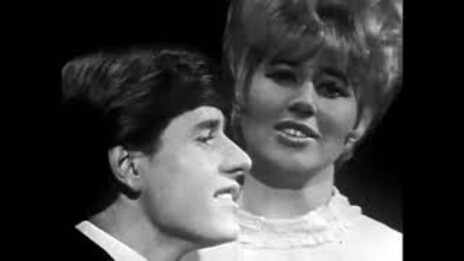
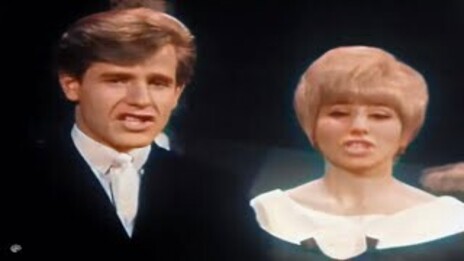
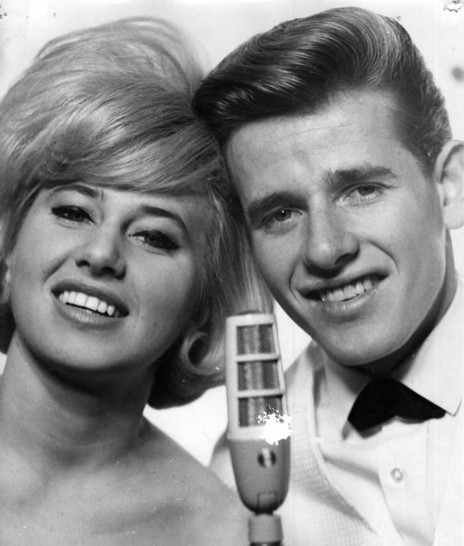
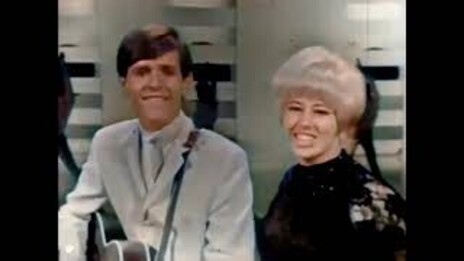
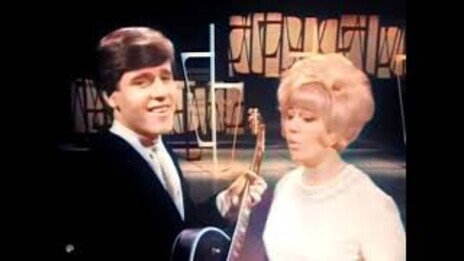
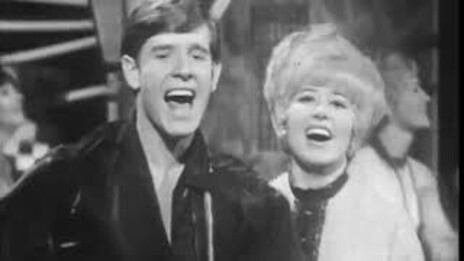
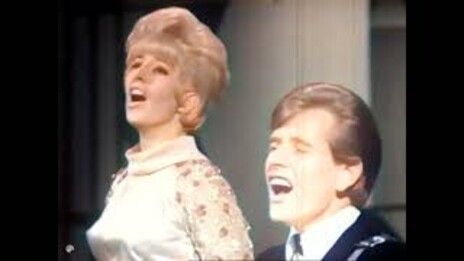
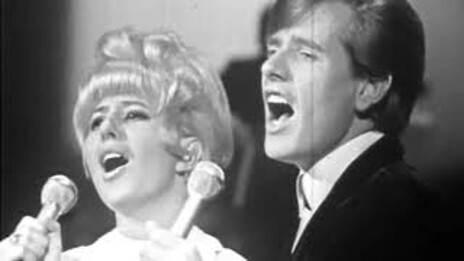
With encouragement from Anne, Jimmy was soon adding harmonies and singing duets à la The Everly Brothers, and they began getting booked for shows and TV appearances as Anne and Jimmy Murphy. They were among a group of artists who jumped ship from Zodiac to Viking in 1963. The B-side of Anne’s Zodiac single ‘Back In Baby’s Arms’ – ‘Very Few Heartaches And Very Few Tears’ – was the debut Anne and Jimmy Murphy release.
“[Viking co-owner] Ron Dalton wanted to be the big recording dog, and he wanted to take everybody from Stebbing over to Viking,” Jimmy said. “We went for it. I feel bad about it, but I was young and ambitious, and it seemed like the right thing to do. Eldred was home-spun and he had his two favourites – Ray Woolf and Peter Posa. Dalton had bigger billboards and a bigger imprint and good graphics.”
However, Anne and Jimmy’s releases on Viking were both solo 45s – ‘Moon-lit Night’, credited as Jimmie Murphy, and Anne’s ‘The Wisest Fool In Town’, the result of a Playdate-Viking songwriting competition. The winner was 20-year-old Aucklander Rai de Graine. On the single, Anne was backed by The Jimmie Sloggett Orchestra. For a time, she dated Sloggett and also dated pianist Mike Perjanik.
The promise of an Anne and Jimmy duo album never eventuated, but they were crowned Playdate magazine’s “Face Of 1963” and were guests on Let’s Go. For a brief time, they were managed by Convairs manager Jack Barnard, who insisted he could get them work in Australia. True enough, his contact in Sydney, Keith Crockett, secured six weeks’ work around Sydney. “I couldn’t believe it,” Jimmy said. “He flew us over there.
“By then, I was really adept at squeezing the juice out of the house band. ‘Here’s the chords,’ and I would strum like Trini Lopez. We were full of energy. We could entertain, with Anne’s moxie and me driving the rhythm. So, we started doing three shows a day all over the place, making good money.”
Six weeks turned into around four months, but they returned to New Zealand in time to join the bill for the Howard Morrison Quartet’s farewell tour in November and December 1964. Others in the entourage were Toni Williams, Jim McNaught and the Nick Smith Combo featuring guitarist Gray Bartlett.
In the meantime, Anne and Jimmy’s father, James Murphy, had become their manager. It was an uneasy situation for Jimmy. “For Anne, it was natural,” he said. “He had her back 100%. It was me capitulating. My dad bent over backwards to please her, and so he wouldn’t give me any compliments. It’s so funny when I think about it, but it stuck in my craw.”
In a New Zealand Woman’s Weekly cover story from April 1965, Anne compared the music scenes in her home country and Australia. “It is more cut-throat here than in Australia. Over there, there are many who don’t care whether they get to the top. They don’t see it as a way to the top – they just do their job.
“People making a living at entertaining here are still a novelty. Little acts over things like who goes on after whom and whose name is in bigger letters than someone else’s – you don’t get that over there.”
On Australian TV, said Jimmy, “‘Bandstand’ was something that everybody watched”
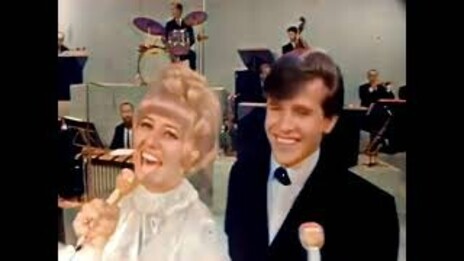
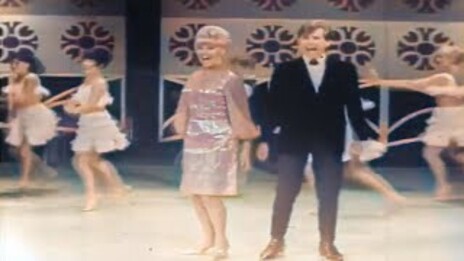
Returning to Australia, agent Keith Crockett got them on national pop show Bandstand, filmed in Sydney. First hitting screens in November 1958, the programme went Australia-wide in 1960. By the time Anne and Jimmy became resident artists, its stars included Col Joye, Little Pattie, Dinah Lee, and the not-yet-world-famous Bee Gees. “Bandstand was something that everybody watched,” Jimmy said. “Anne and I were better known than any of those guys.”
When American pop singer Wayne Newton was in town, Barry Gibb of The Bee Gees told Jimmy he had written a song for Newton and was going to play it for him at the Chevron Hotel. “I’m thinking, ‘Oh, yeah, Wayne Newton’s gonna record one of your songs!’” Newton’s next LP, Red Roses For A Blue Lady, included Gibb’s ‘They’ll Never Know’.
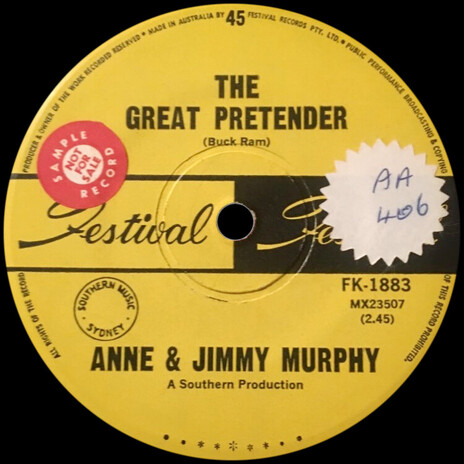
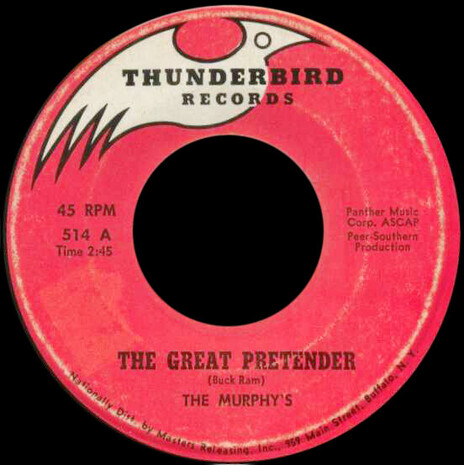
Anne and Jimmy were signed to CBS, releasing the singles ‘I Can’t Let You Out Of My Sight’ and ‘Island Of Dreams’, both produced by Sven Libaek. “I still remember going to Sven’s house and him playing ‘Good Vibrations’ by the Beach Boys,” Jimmy said. “He said, ‘Listen to this. I just got this.’ It was amazing.” Anne and Jimmy’s final Australian single was a reworking of ‘The Great Pretender’, which was released on Festival in Australia and on Thunderbird Records, as The Murphys, in the United States.
During one show in Glenelg, South Australia, American tennis player Arthur Ashe watched the show and afterwards told them they should go to the United States and that Americans would love them. Yet to turn pro, Ashe had won the 1965 NCAA doubles title with New Zealand’s Ian Crookenden.
Around 1967, Anne and Jimmy Murphy played their way across the ocean to Hawaii. “We went to Singapore, we went to Kuala Lumpur, we went to Bangkok, we went to Taipei,” Jimmy said. “Some were swanky hotels and some were military bases, and really good money. The night we arrived in Hawaii, the guy said, ‘You’ll be going on after Louis Armstrong!’”
For the next few years, they earned up to US$4000 a week, appearing eight months of the year at Gaugins nightclub in the International Market Place at Waikiki. The rest of the year, they operated in the US, opening for comedians Rowan & Martin, playing in Los Angeles, and at the Sands Hotel in Las Vegas, where they opened for The Everly Brothers, and Louis Prima and The Witnesses. One night, Arthur Ashe turned up to say, “I told you so.”
The relentless schedule brought things to a head and Jimmy broke ties sometime in 1970. “I was feeling a sense of frustration with my dad [managing the duo],” he said. “I finally had to say, ‘I can’t do this anymore.’ I’d go on to play, and I’d get a tremendous headache. And I thought, ‘It’s being around Anne and Dad that’s given me this headache.’”
In 1970, working separately, the Murphys performed for troops in Vietnam
By late 1970, they spent three months performing independently of each other for the troops in Vietnam. Jimmy fronted The Jimmy Murphy Band, Anne was the star of The Anne Murphy Affair, having recruited former Sundowners and Māori Volcanics guitarist Billy Peters to replace her brother.
Jimmy’s band included his wife Julie Worthy, who he had met when she was a dancer at the St George Leagues Club. They played in Auckland through May 1971 and toured the States by Greyhound bus as The Jim and Julie Murphy Show. After their eight-year-old daughter Jamie proved so popular singing Olivia Newton-John’s ‘Let Me Be There’, she and little sister Samantha were added to the show.
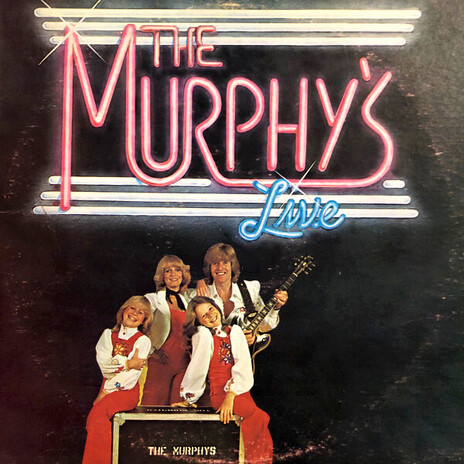
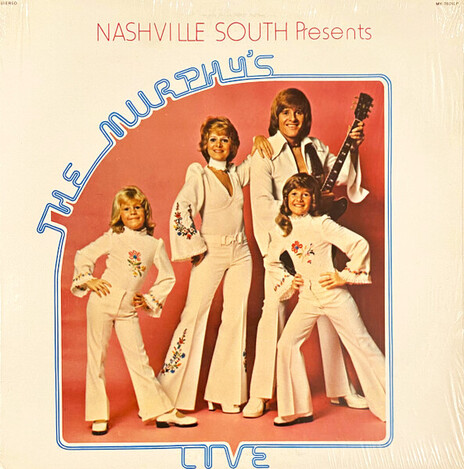
Recording artist Ronnie Dove saw them perform and encouraged the family to move to Nashville, where he became their manager. They released Nashville South Presents The Murphy's Live on Dove’s label in 1976 and The Murphy’s Live in 1978, recorded at the MGM Grand Hotel. The family band came to a halt when Jimmy and Julie divorced.
After working with Billy Peters in Vietnam, Anne Murphy based herself in Seattle, Washington, as The Anne Murphy Affair. But much like her forays into the Auckland club scene in the early 1960s, her act was heavily dependent on the ability of a band leader, and the good ones were expensive. Eventually she turned her back on music and moved close to Jimmy in Nashville, working for the Nashville Electric Service and in hospitality. She died of colon cancer in 2001.
Later that year, Jimmy’s daughter Jamie, having changed her name to Jamie O’Neal, topped the Billboard Hot Country Singles & Tracks chart in 2000 with her debut single ‘There Is No Arizona’. She repeated the feat later that year with its follow-up ‘When I Think About Angels’. Samantha passed away in 2022. Another daughter, Minnie Murphy, is also a Nashville-based singer/songwriter.
Jimmy Murphy still lives in Nashville where he manages Jamie. He continues writing and putting out his own material and mentoring young artists. “I work with their families to guide them through the quagmire that is Nashville,” he says. “It’s a learning curve, especially for people from Australia or New Zealand, but the genre has guidelines to it. With the streaming world, some of those guidelines have softened around the edges, but country radio is still the goalposts that you’ve gotta kick through.”