Mike Farrell
As a songwriter, Mike Farrell will forever be remembered for songs that became mainstays of blues journeyman Midge Marsden’s career – ‘Burning Rain’, ‘Carry My Blues Away’ and ‘Struck Down By The Blues’. But Mike Farrell was more than that.
A fiery lead guitarist with New Zealand bands Tom Thumb, Rough Justice, Red Hot Peppers, and The Midge Marsden Band, Farrell fronted his own group, The Farrelli Brothers, in the 1980s and 1990s. He unleashed a voice – at first guttural and then tender and aching – that few were aware he possessed.
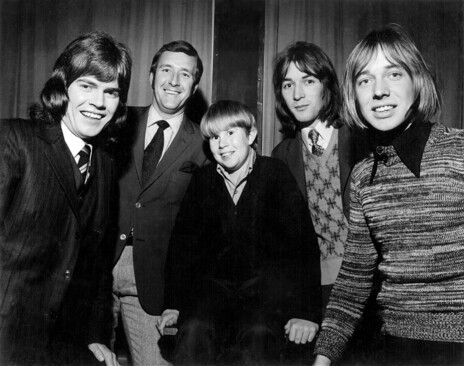
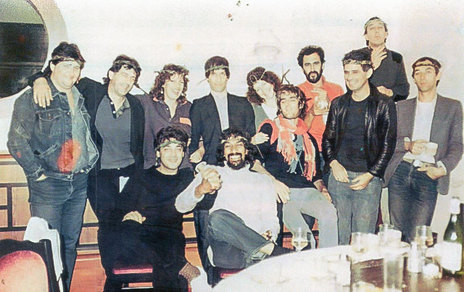
HMV stable confab: Craig Scott, Jim McNaught, Yours Truly (David Curtis), Mike Farrell, and Australian musician Russell Morris "at an event past my bed time".
Photo credit:
David Curtis Collection
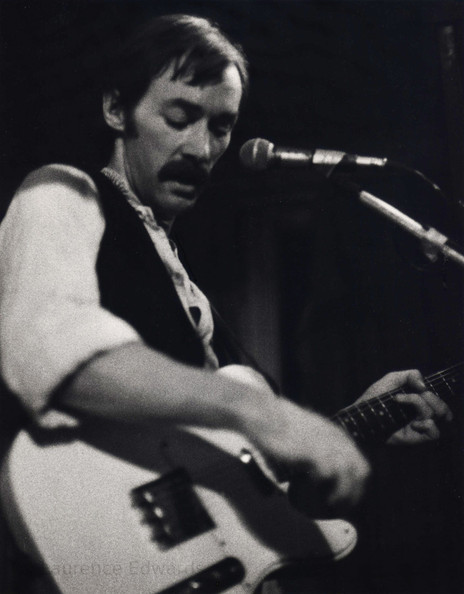
Mike Farrell
Photo credit:
Laurence Edwards
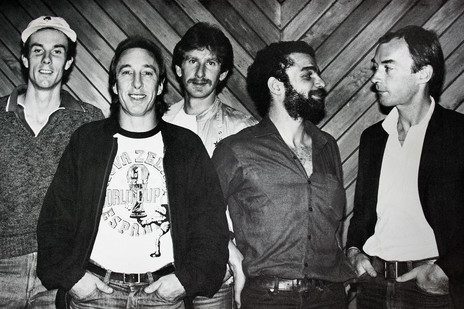
The Midge Marsden Band, promo shot for '12 Bars from Mars' LP at Harlequin Studios, Auckland, 1982. Left to Right: John Dodd, Midge Marsden, Liam Ryan, Ross Burge, Mike Farrell.
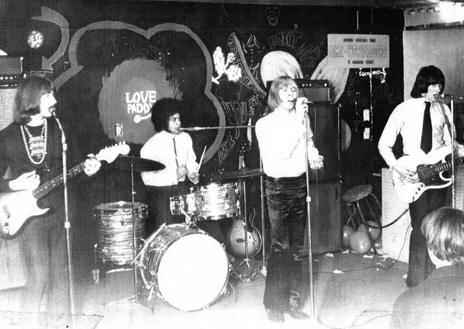
The second Tom Thumb lineup at The Place, Wellington, 1968- Mike Farrell, Tom Swainson, Bruce Sontgen and Rick White
Photo credit:
Rick White collection
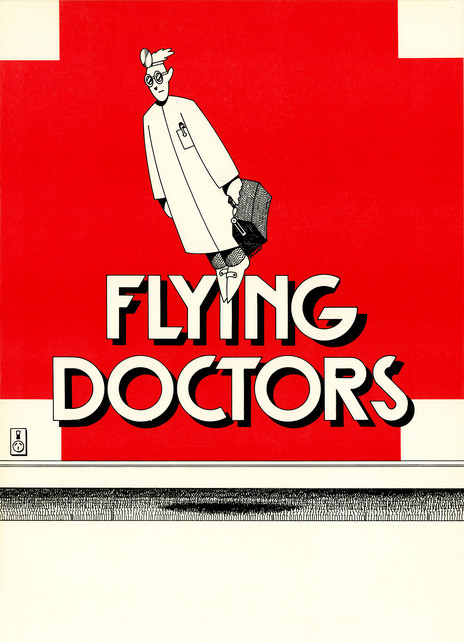
Flying Doctors poster, c. 1980. The band consisted of John Dodd (bass), Mike Farrell (guitar), Liam Ryan (keyboards) and Mike Abbott (drums).
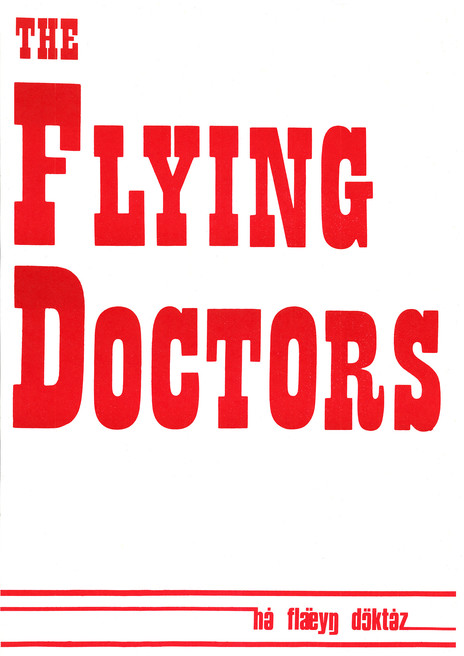
Flying Doctors poster, c. 1980. The line-up was John Dodd (bass), Mike Farrell (guitar), Liam Ryan (keyboards) and Mike Abbott (drums).
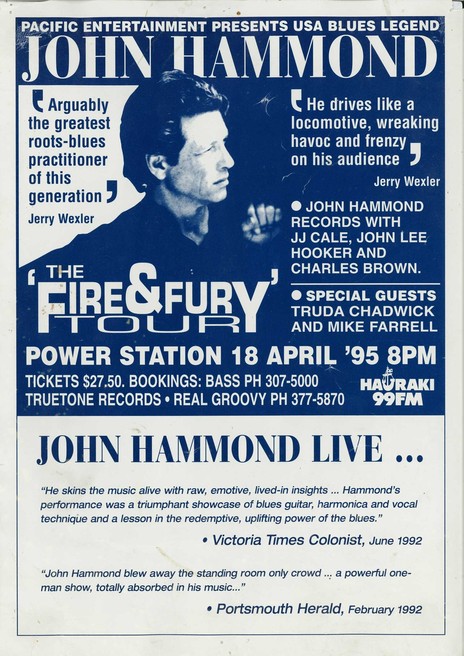
Truda Chadwick and Mike Farrell supporting John Hammond, April 1995
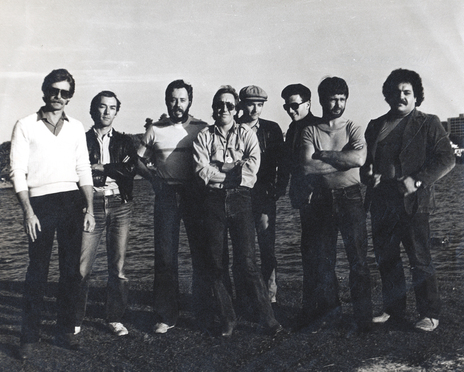
The Indicators - L to R: Liam Ryan, Mike Farrell, Neil Reynolds, Midge Marsden, Grant Hughson, Kelly Rogers, Andrew Kimber, Tony Crichton
Photo credit:
Murray Cammick Collection
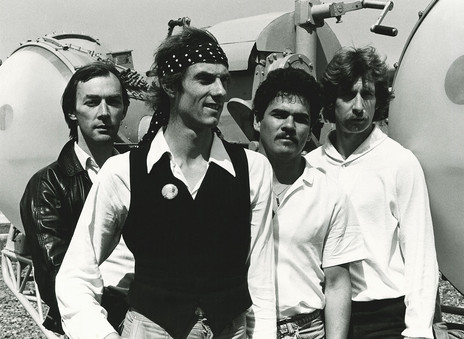
The Flying Doctors, Auckland, 1980. Left to right: Mike Farrell, John Dodd, Mike Abbott, Liam Ryan.
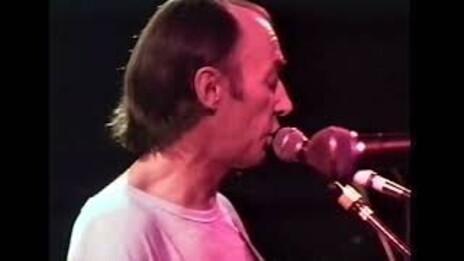
Farrelli Brothers - Ninety-Nine And A Half Won't Do (live 1993) - Courtesy of and filmed by Grant and Carol Gillanders. Mike Farrell and his band Farrelli Brothers (Liam Ryan on keyboards, Neil Hannan on bass, Lyn Buchanan on drums). Filmed live at the Gluepot in Auckland, part of the Tommy Adderley Benefit concert from 1993.
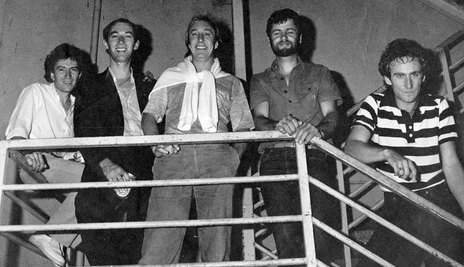
The Midge Marsden Band, 1985. Sidney Limbert, Mike Farrell, Midge, Andrew Kimber and Kevin Thomas.
Photo credit:
Sidney Limbert collection
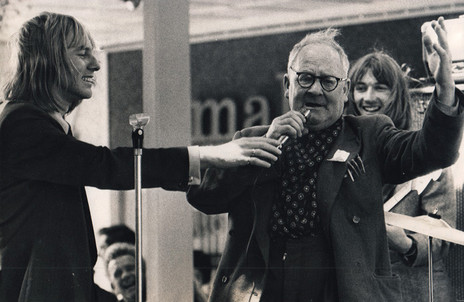
Bruce Sontgen and Mike Farrell with Tom Thumb and a guest vocalist in Wellington's Cuba Mall.
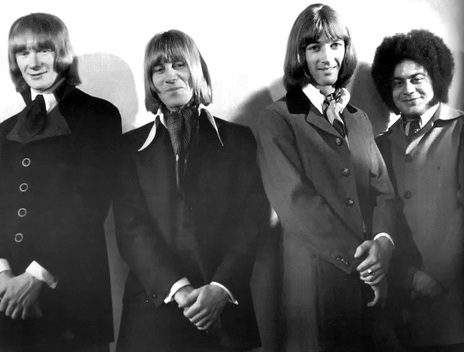
Tom Thumb (L-R): Rick White, Bruce Sontgen, Mike Farrell, Tom Swainson
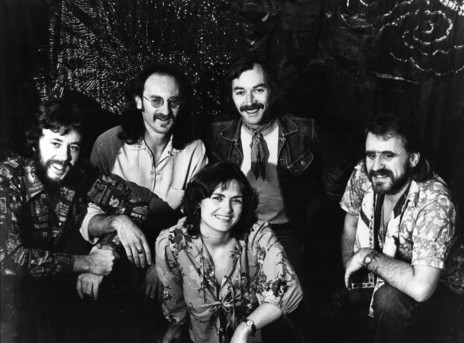
Red Hot Peppers Mark II, Australia. From left: Neil Reynolds, Pete Kershaw, Marion Arts, Mike Farrell and Robbie Lavën
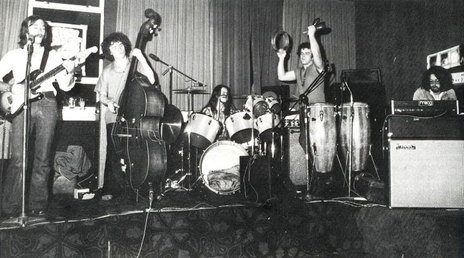
Rough Justice Mk.1, Wellington, 1976 – Mike Farrell, Patrick Bleakley, Steve Garden, Rick Bryant and John Key
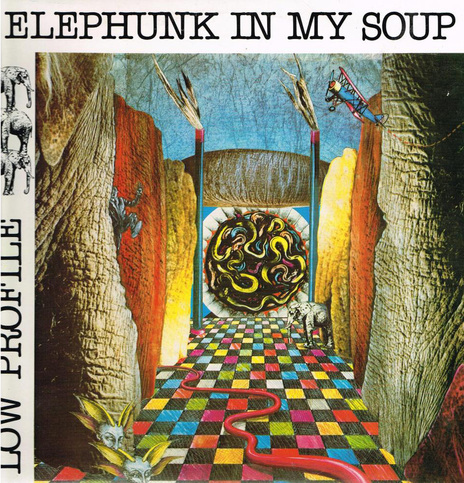
Elephunk in My Soup - the 1984 Low Profile (Phil Bowering and Steve Garden) EP also features Mike Farrell on guitar and Tom Ludvigson on synthesiser.
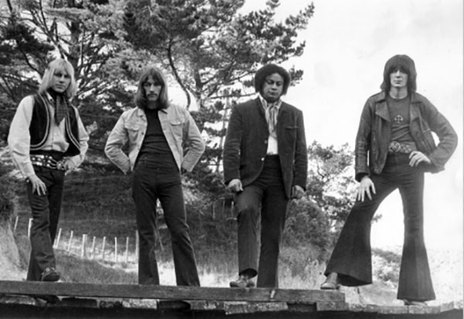
Tom Thumb's second lineup: Bruce Sontgen, Mike Farrell, Tom Swainson and Rick White
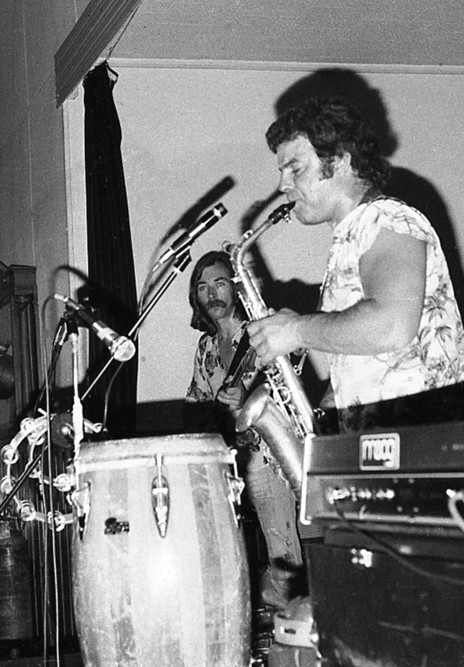
Rough Justice mk 1, c. 1977: Rick Bryant on saxophone, Mike Farrell on guitar.
Photo credit:
John Mercer CameraWorks21
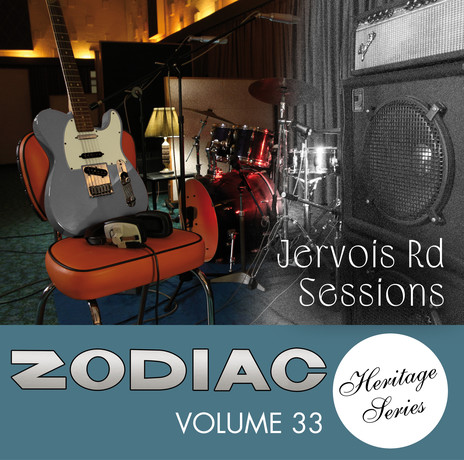
Zodiac Heritage Series, Volume 33: Jervois Rd Sessions. Rare recordings by ex-Invader Jimmy Hill, plus his band-leader’s 1984 version of ‘Till We Kissed’. Early efforts by Kim Willoughby, Hello Sailor (‘The Boy We Used to Know’), a reggae ‘Slipping Away’ from Maryanne Mateo-Antunovich, and neglected recordings by Shane, Truda Chadwick, and Mike Farrell (‘I Feel the Same’).
Original Travelling On TVC
All-Stars Play the Blues end of tour dinner at Christchurch, 1984. Rear, left to right, Dennis Ryan, Hammond Gamble, Beaver, Wilko Johnson, Jane West, Neil Edwards, Paul Walker, Midge Marsden, Mike Farrell. Front, Walter Bianco, Sonny Day, Paul Hewson.
Photo credit:
Photo by Wiiliam West. Courtesy of Paul Walker.
Discography