Tom had been in bands in Sweden. “I played piano as a kid, but I got sick of it. The Shadows were probably my first big influence. My dad had an old guitar, so I started teaching myself, and my first band played Shadows and Ventures tunes. Then came a Rolling Stones-type blues band, and a soul or R&B band called Björnligan, League of Bears in Swedish (or the Beagle Boys in English). I guess I was a pop musician in Sweden.”
He arrived in Aotearoa in 1973 with his wife, a New Zealander, and three kids. There was little time for music. “I studied social anthropology at university, I had started on the PhD programme in Sweden but transferred my studies here. I had money for research from a foundation in Sweden, so I went back and forth to Vanuatu between 1974 and 77 and wrote my thesis on spiritual healers on Espiritu Santo Island.”
Tom came to believe that the academic approach was invalid and precluded any genuine insight. “I had to abandon the cliched vocabulary of the Anthropology Department and the intellectual frameworks I brought with me. I wrote about how my understanding changed over time and became deeper through experience. The resulting 400-page book [Kleva: Some Healers in Central Espiritu Santo, Vanuatu] is based on the idea that the only authentic sociological investigation is autobiography.”
Unable to get a full-time position in the Anthropology Department, and perhaps a little unwilling to adapt to the conventions of academia, Tom found himself drawn into the local music scene. “I bought a book on Spanish guitar and started teaching myself 12/8 rhythms and stuff like that. But it was really through keyboard playing that I got into bands.”
One day, an encyclopaedia salesman knocked on Tom’s door. “It turned out that he was a jazz trombone player [Merv Thomas] and he invited me down to a jazz jam on Upper Queen Street. At that time, I played flute. A little later on I came into the crowd with Wayne Baird and with Lou Rawnsley.” Also in that scene were Paul Hewitt (Bluespeak, Coconut Rough) and Dennis “Choc” Tuwhare (Coconut Rough) and bass player Graham Verkerk. A jazz rehearsal group formed out of these associations that included Taura Eruera, whom Tom knew from university.
Creative Musicianship
Eruera had been away studying at the Guitar Institute of Technology (now The Musicians Institute) in the US, and he returned inspired by their curriculum. When he started the School of Creative Musicianship in Ponsonby (in the premises also occupied by Limbs Dance Company), he engaged Tom to teach harmony and synthesis.
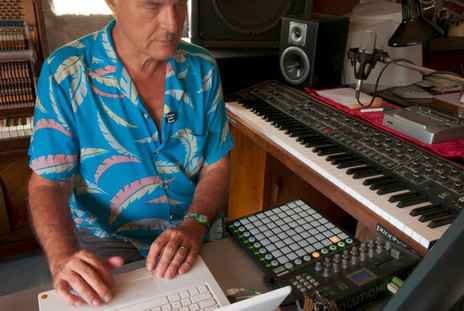
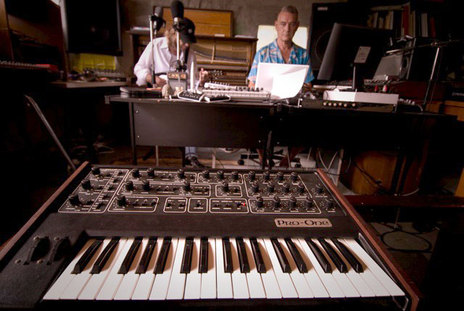
Tom comes from a family of engineers. “I went to engineering school but dropped out. So I had studied physics and electronics to some depth in an educational context, and when synthesisers came on the scene I understood what was going on in the machines. I embraced them fully in the 70s. That’s one reason why I played synth on so many sessions into the 80s, not many people had that insight.”
The school’s creative environment fostered connections and associations that would reconfigure themselves repeatedly over the years. “That’s where I met [guitarist] Nigel Gavin, [bassist] Hal Tupea, Paul Nairn [tenor sax], and Greg Johnson, who was 19 at the time and was coming in to study trumpet and jazz harmony. Most everybody I played with afterwards were people that I met at Taura’s school.”
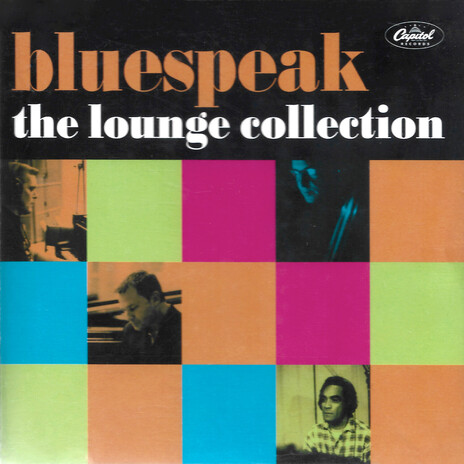
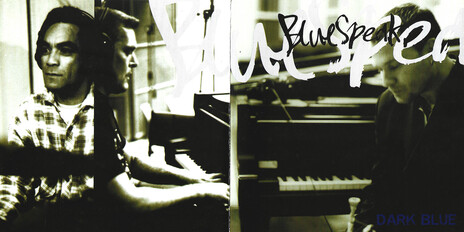
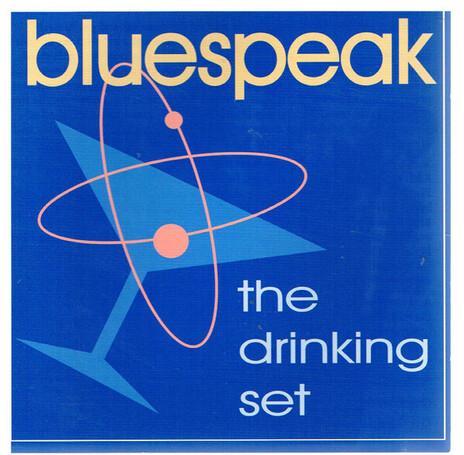
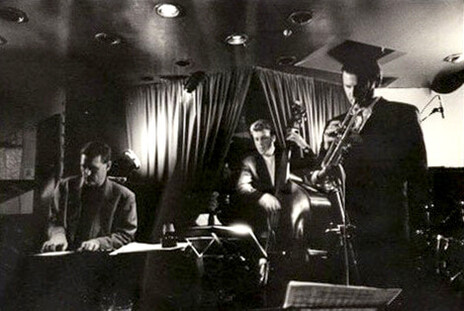
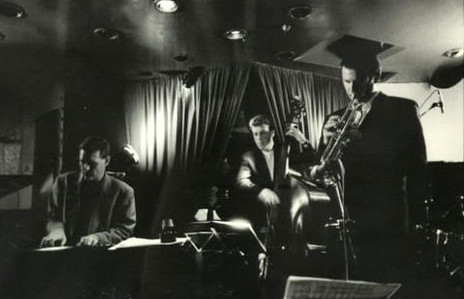
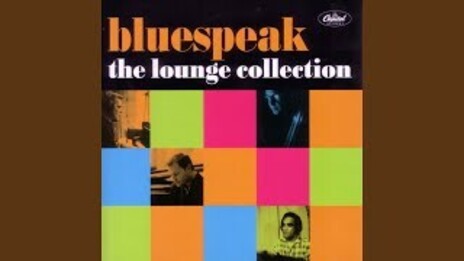
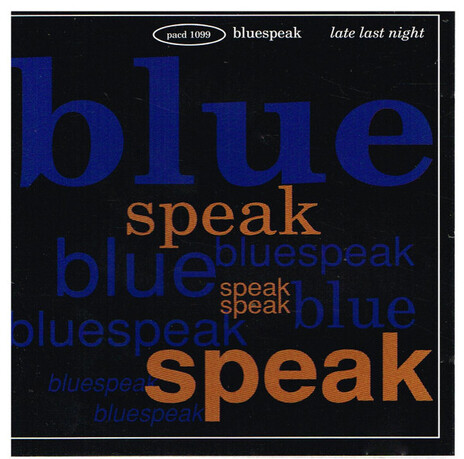
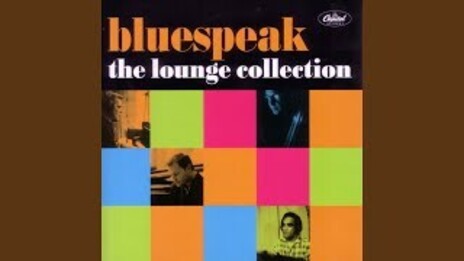
Tom and Greg Johnson formed Bluespeak as a duo, adding Peter Scott on bass and Paul Hewitt on drums, and their Chet Baker-esque cocktail stylings became a popular fixture around Auckland city bars. “There were the jazz heavies in Auckland: Frank Gibson Jr on drums, Andy Brown on bass. They really knew everything, they were an elite. No offence intended, but we called them the jazz police. Bluespeak never attempted Coltrane changes or Miles Davis; the hard stuff, as it were.” Tom says, laughing. “Now I am the elder who knows everything!”
Though he never played with the Greg Johnson Set, he did play in the proto-Greg Johnson Set band This Boy Rob. They would rehearse in Steve Garden’s basement studio location on Mt Eden Road.
Inner City Jazz
Tom put in some hard yards woodshedding his way around the keys. “I hired a small practice room on Anzac Avenue with Taura, and we could just lock ourselves away and study.” As he conducted his in-depth explorations of music theory on the keyboard, the jazz scene became a busy work environment. “It was a pick-up scene. It wasn’t a band getting a gig, it was a gig getting a band.”
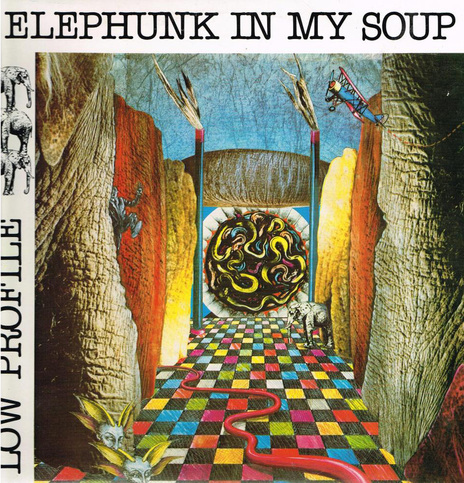
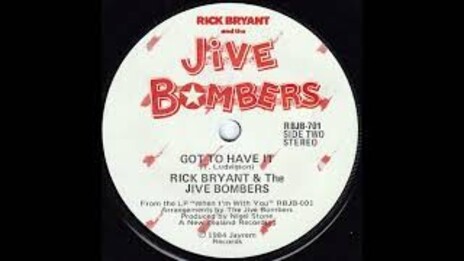
This period also saw Tom guesting in either the studio or on stage with everyone from Low Profile (aka Phil Bowering, on his seminal ‘Elephunk in My Soup’ single), Peking Man, Big Sideways (on 1983’s Let it Out! EP, alongside other guests Betty-Anne Monga, Debbie Harwood and another of Tom’s partners in musical explorations, the record’s co-producer Graeme Gash), and Rick Bryant and the Jive Bombers on their 1984 When I’m With You album.
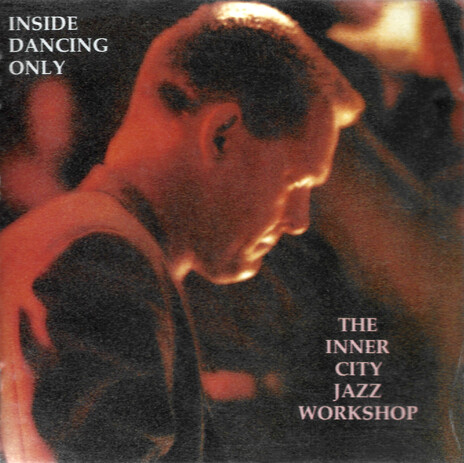
Tom’s immersion in jazz led to him forming the Inner City Jazz Workshop. Inspired by workshops held by jazz bassist and arranger Charles Mingus, the weekly sessions held at Tom’s rehearsal space included Nigel Gavin and Ben Holmes, both regular Bluespeak guests. Tom would lay in bed in the morning and write music for the players to explore that afternoon. “I’d come up with new charts for them, to keep it interesting. And it meant that I produced a lot of music and wrote it out for B flat horns, all the parts, schooling myself in writing, arrangement and scoring.”
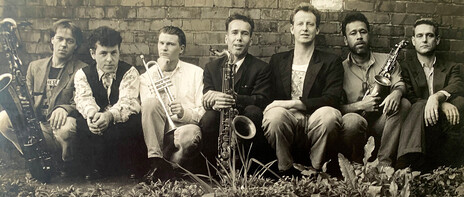
Ode Records boss Terence O’ Neill-Joyce was a fan, and he produced an album capturing the ensemble. “He came to gigs and took photos, and really put some work into making a good package.” Inside Dancing Only was released on Ode Records’ Manu label in 1995. The album featured Jason Orme on drums, Peter Scott on bass, and Chris Watts and Mike Croft on saxophones, with alto saxophonist Andrew Dixon also taking on engineering and production duties.
Sense of Place / Blues For Robin
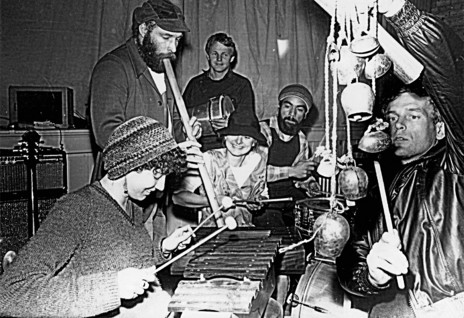
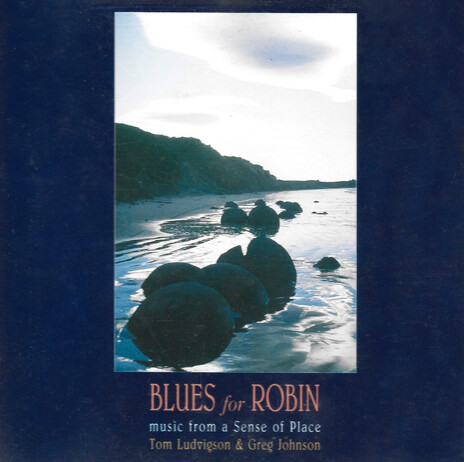
Greg Johnson was approached by filmmaker John Bates to come up with music for the documentary he was making on photographer Robin Morrison. “Greg asked me to be part of the project. And so I wrote a bunch of sketch scores and we had Steve Harrop on bass, and Steve Garden drumming and playing percussion. On one piece he played a buckled old water heater cylinder (waterphon). It’s a mixture of jazz, ambient and blues.”
The soundtrack was recorded at Progressive Studios in Auckland, and Sense of Place: Robin Morrison, Photographer was released in 1993. Shot by Stuart Dryburgh, it won best documentary at the 1994 New Zealand Film and Television awards, and a certificate of merit at the 37th San Francisco International Film Festival. The music grew into an album project, titled Blues For Robin (Ode Records, 1993). John and Tom hit it off, and their relationship spanned many films and documentaries over the next 20 years. “I learned that when you produce film, you’re like a general with a whole army that you have to look after, everything has to fit. And sometimes people are difficult. The best thing I can do is be the part of his day that he looks forward to. ‘Oh good, I’ve got an afternoon with Tom!’ No arguments, no prima donna stuff, just creative collaboration.”
Trip To The Moon
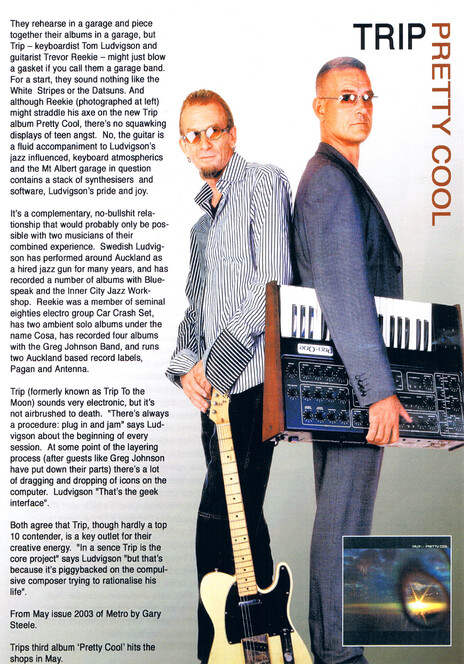
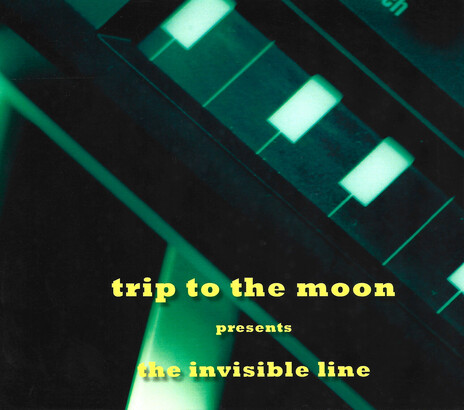
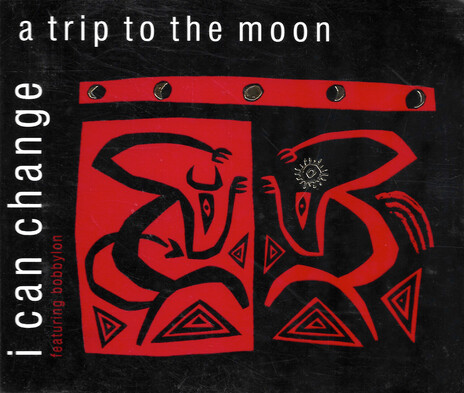
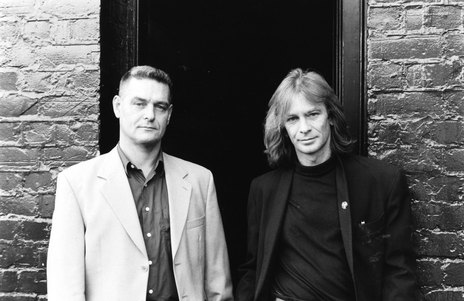
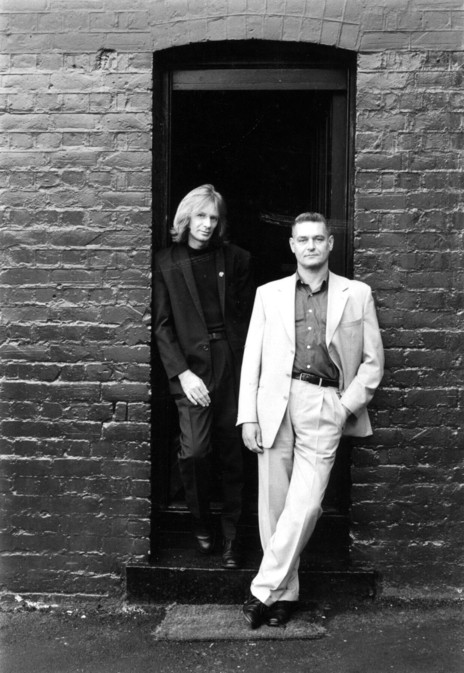
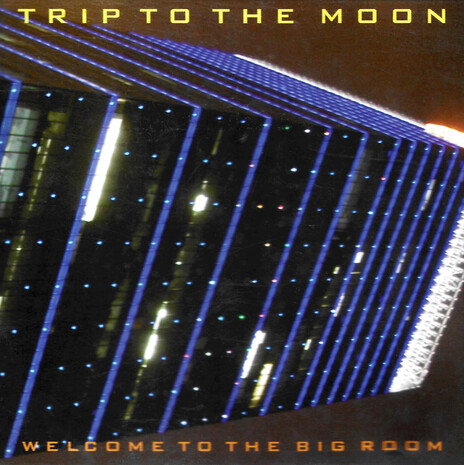
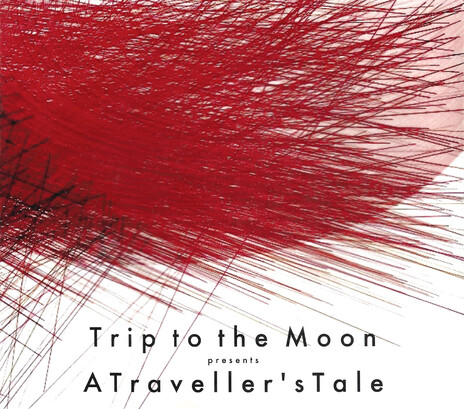
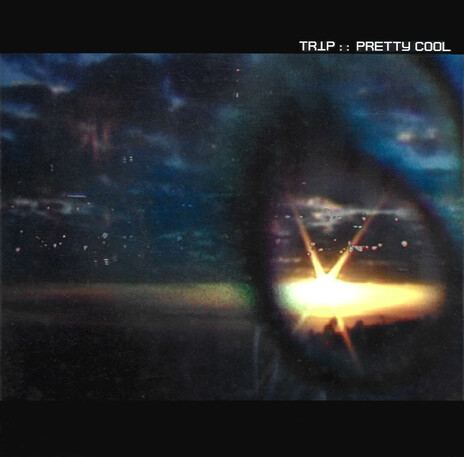
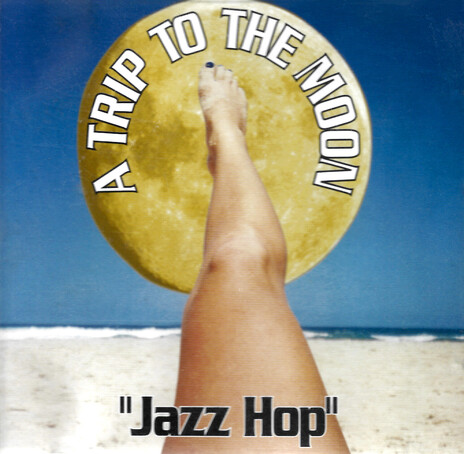
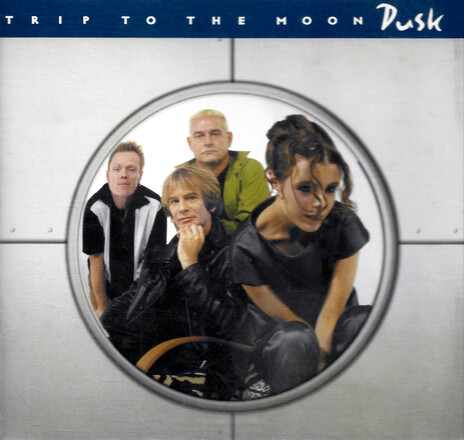
Tom worked with guitarist and Pagan/Antenna Recordings stalwart Trevor Reekie on a project called Map Of Love, which soon morphed into Trip To The Moon. Between 1997 and 2016 the duo produced over half a dozen impressive albums and a handful of singles, ranging in style from super-cool trip hop stylings to uneasy-listening/ space-age cocktail lounge excursions. They were ably aided in these enterprises by an eclectic gang of Aotearoa’s finest vocalists and musicians that included Bobbylon (Hallelujah Picassos), Jim Langabeer, Nigel Gavin, Greg Johnson, Tuffy Culture, and Rachael Weatherly. Most if not all these releases were mastered by Angus McNaughton.
Considering the high level of craft, style and polish on show, it’s a crime that they are not a little more well-known in New Zealand. ‘I Can Change’ – featuring Hallelujah Picassos’ vocalist/drummer Bobblylon – is the equal or better of many local contemporaries that received far more airplay. But as Tom says, “It’s a labour of love. And if you take yourself seriously as an artist, then whether you get well promoted or do well in the charts isn’t the essence of what you’re doing.”
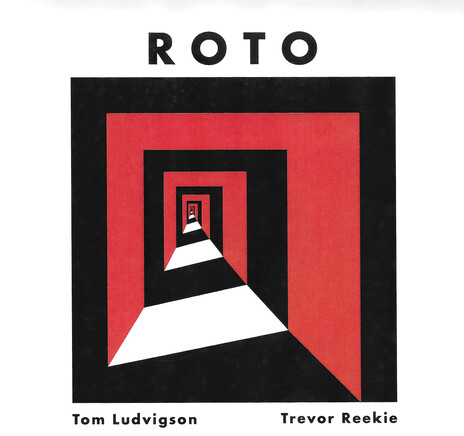
But the Trip ain’t over yet. Tom and Trevor released the album ROTO in 2019. Featuring a striking graphic cover designed by Tom, the work is a collection of spontaneously improvised pieces. Reviewer Graham Reid wrote, “These spacious, quasi-ambient, innovative and sometimes ethereal tracks roam between downright gorgeous, weightless space-ambience to challenging passages from Reekie which hint at the Frippertronic/ Fred Frith prepared guitar axis.”
“He’s a brilliant man, a genius really, unrecognised in New Zealand,” says Trevor Reekie of his bandmate. “ROTO is an artistic high point for us, particularly Tom. Personally, to work with someone with that kind of intellect and level of creativity? A total privilege.”
Alloy
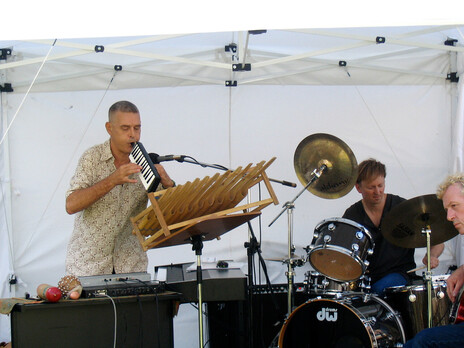
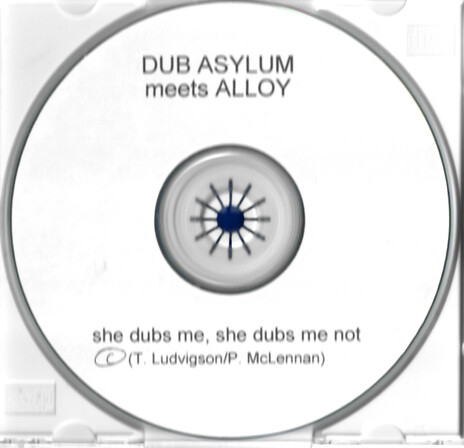
In the mid-2000s, Tom was recording and performing electronic music under the name Alloy. “An alloy is a mixture of metals, stronger in combination than each on their own. I thought it was an apt name for my live performance collaborations.”
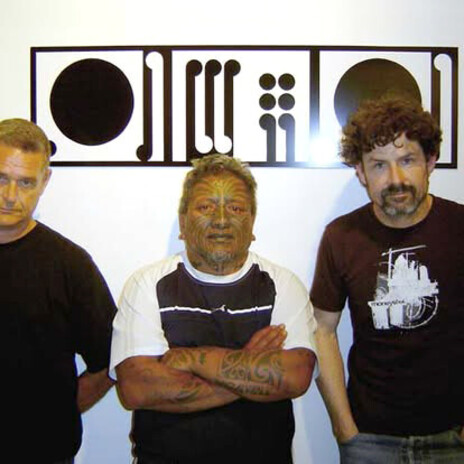
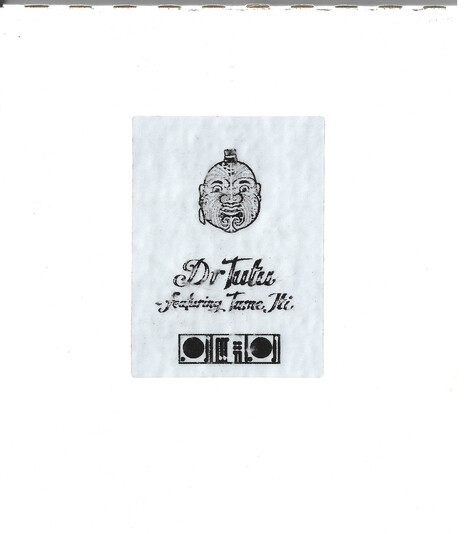
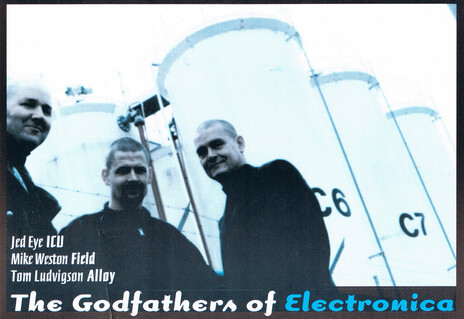
Semi-improvised performances under this moniker, with Mike Weston on turntables, paved the way for a number of projects. These included the Cardboard & Computers single ‘The Best Ones’ (which accompanied a Weston Frizzell exhibition that also featured digital animations from Ludvigson), and Dr. Tutu featuring Tame Iti. The latter, also a double-pronged media delivery combining art prints and music, addressed contemporary Māori concerns in that witty and articulate manner familiar to anyone who knows Iti’s art, or Weston/ Frizzell/ Ludvigson’s for that matter. They were a great fit as collaborators.
In a similar vein, Tom collaborated with Jed Town (in his ICU mode) on a number of live performances around the North Island. Calling themselves “W” (as in U x 2), they performed using dual laptop stations running Ableton Live, both synched to a backing track running off the DVD playing their collaborative visuals. “Tom is always exploring new territory, and coming up with cool results,” says Jed. “We only played a half-dozen shows, my moving up to Northland probably cut it short, but it was great working with him.”
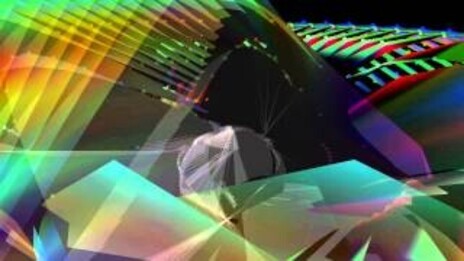
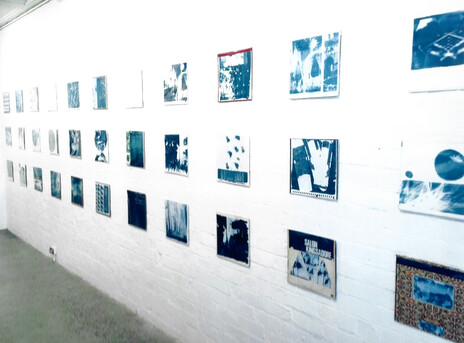
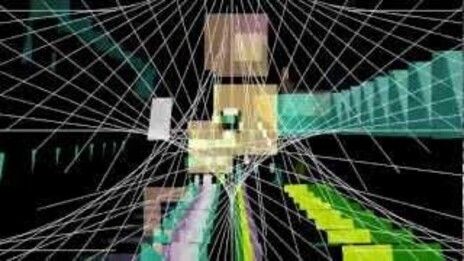
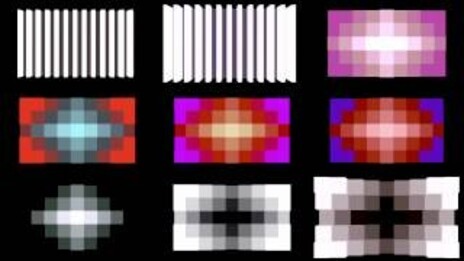
The sounds and structures of stripped down electronica, techno and EDM were also reflected in Tom’s growing animation practice, where digital explorations are locked to the tempo and speak to club audiences within the genre’s usual vocabulary. However, the recent work especially engages in a more deliberate and economical space than much of dance music’s often trippy visual media, employing instead stark, highly defined minimalist geometric patterns. Using generative software, Tom has performed live sets of this work at festivals, clubs, and art galleries. Art prints of this work can also be found in galleries and on record covers (eg, ROTO, Surly).
Salon Kingsadore
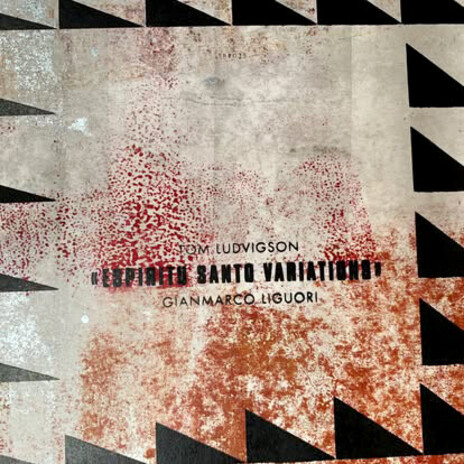
In 2019, Tom joined Gianmarco Liguori’s Salon Kingsadore ensemble, and made an album titled Espiritu Santo Variations. Released on Gianmarco’s Sarang Bang Records label, the album’s starting point was Tom’s writings on his time in Vanuatu. It seeks to conjure and explore the psycho-visual spaces they evoke, and does so beautifully while avoiding the traps that can snare the less adept ethno-explorer. Murray McNabb had been working with the ensemble, and when he passed away in 2013 mutual friend Edwina Thorne suggested Gianmarco might like to collaborate with Tom.
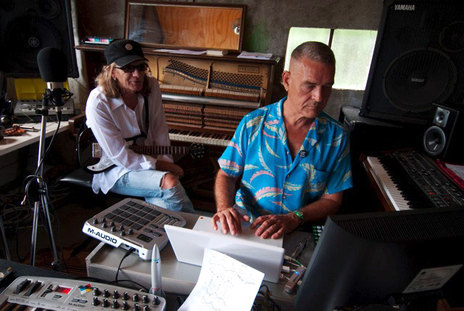
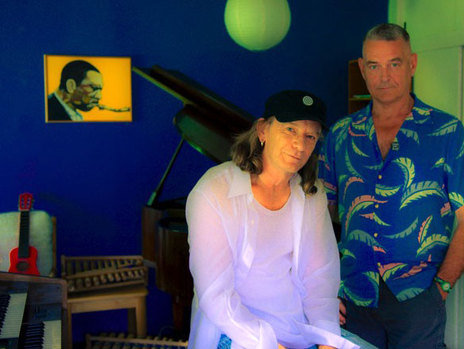
The pair found they share a simpatico approach to improvisation, where the interplay of sharp players with well-tuned ears results in spontaneous composition rather than purely “free” sound. “To interpret those experiences into something tangible was a really interesting exercise,“ says Tom. “Marco comes around every Friday night and we play without ever planning anything, and we record it. When you find people that you can play like that with, it’s just remarkable, right?”
Likewise, Trip To The Moon’s metamorphosis into ROTO reflects Tom and Trevor’s years’ long journey; a practice that used to involve assemblage of improvised fragments into a well-produced whole evolved, through shared experience and many years playing together, into a live capturing of fluid whole-cloth improvisations. But it’s all about the journey rather than the destination, and Tom and his cohort of explorers are still out there, exploring and sending back field recordings.