Sid Limbert
One of Sid Limbert’s favourite photos takes pride of place on his home studio wall. He is five years old in a white tuxedo hired by his father, slick black hair neatly parted, with a conductor’s baton in his hand.
His Primer 1 teacher at Tāhunanui School, Mrs Meehan, played the piano and noticed early on that young Sidney kept perfect time. “She used to teach the whole junior school music, and a lot of it was percussion and whatnot,” Limbert reminisced. “When we did a concert at the end of the school year, she got me to conduct the band.”
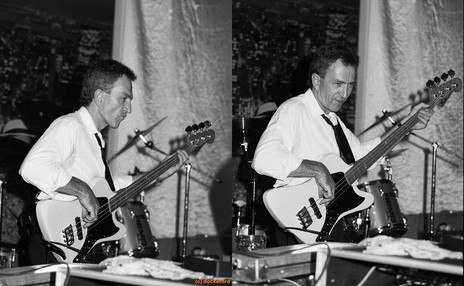
The legendary bassist Sid Limbert.
Photo credit:
Karen Ford

The Warratahs in the 2000s. Left to right: Nik Brown, Barry Saunders, Sid Limbert, Mo Newport.
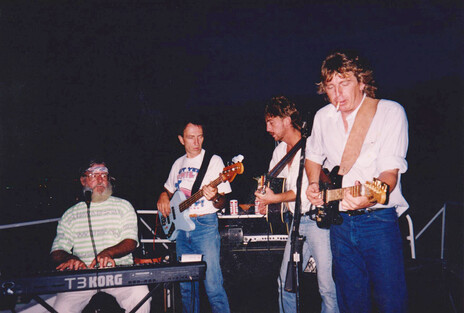
Sid Limbert (second from left) playing an album release in the Fuller Brothers Band at Lake Travis, Austin, Texas
Photo credit:
Sidney Limbert collection
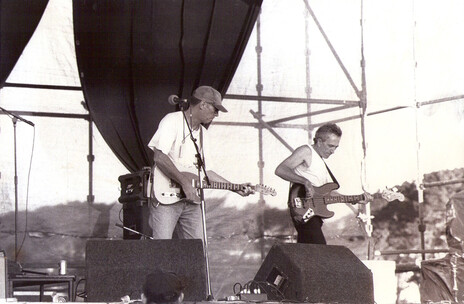
Mike Farrell (left) and Sid Limbert with The Remarkable Beat Roosters at Sweetwaters 1999. “It was Mike’s last big gig,” Limbert said. “He had just joined The Beat Roosters, and we’d been rehearsing a new album with mostly Mike’s songs, and a couple of Ted Clarke songs. We came off stage after a fantastic set to find The Amazing Rhythm Aces in our tent raving about our band.”
Photo credit:
Farrell Family Collection

Gentle Annie and friends hamming it up for their final performance at the Royal Easter Show, Auckland, 1984. Left to right: unidentified, Steve Garden, Sid Limbert, Glenn Fuller, Cath Newhook, Andrew White, Ronny Franks, Roy Phillips.
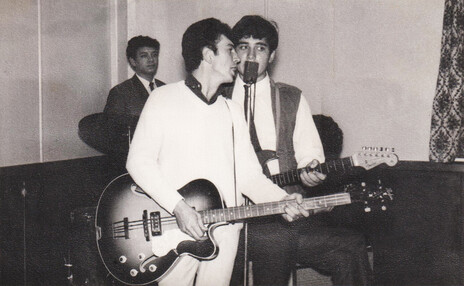
Sid Limbert on bass with Wayne Te Paa (drums) and Pinky Te Paa (guitar, vocals) in The Dominoes, 1965
Photo credit:
Sidney Limbert collection
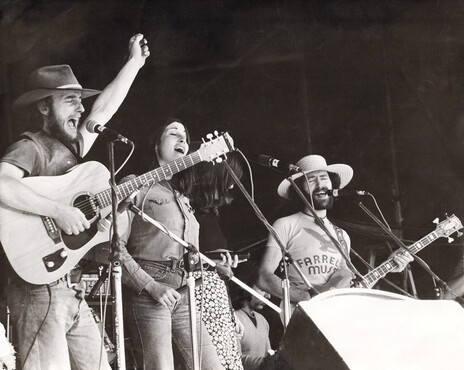
Sid Limbert in Golden Slippers
Photo credit:
Sidney Limbert collection

Sid Limbert and Dave Maybee, Harbour View Hotel, Raglan.
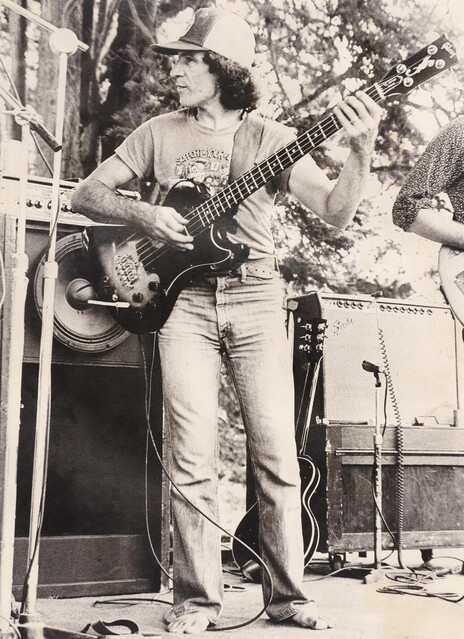
Sid Limbert at a Hamilton Lake concert in the late 1970s
Photo credit:
Sidney Limbert collection
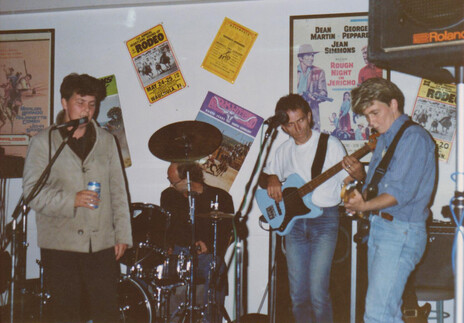
Sid Limbert with The Topp Twins
Photo credit:
Sidney Limbert collection
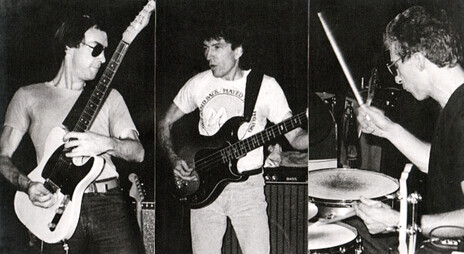
Sid Limbert in the Farrelli Brothers. Left to right: Mike Farrell, Sid Limbert, Kevin Thomas.
Photo credit:
Sidney Limbert collection
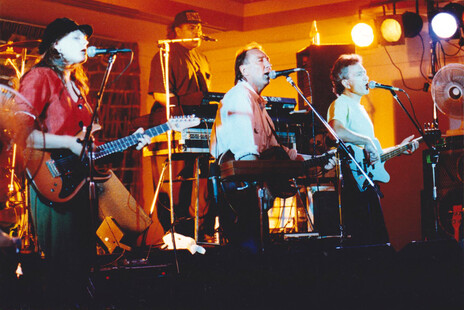
Midge Marsden Burning Rain tour, 1991. From left to right; Lynne Campbell, Midge Marsden, Sid Limbert, Ernie Semu
Photo credit:
Sidney Limbert collection
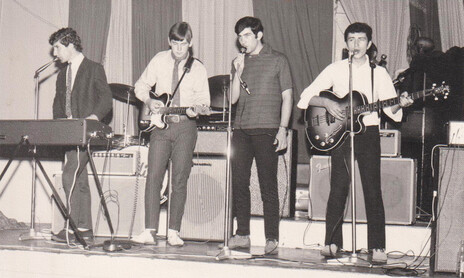
The Surfires at the Starlight Ballroom, Hamilton, c. 1966/67. From left: Shade Smith, Wayne Reynolds, Gerard Smith, Sid Limbert, Sharky Coolan (drums) obscured. Shade and Gerard Smith later formed The Rumour. Wayne Reynolds was formerly in The Mods.
Photo credit:
Sidney Limbert collection
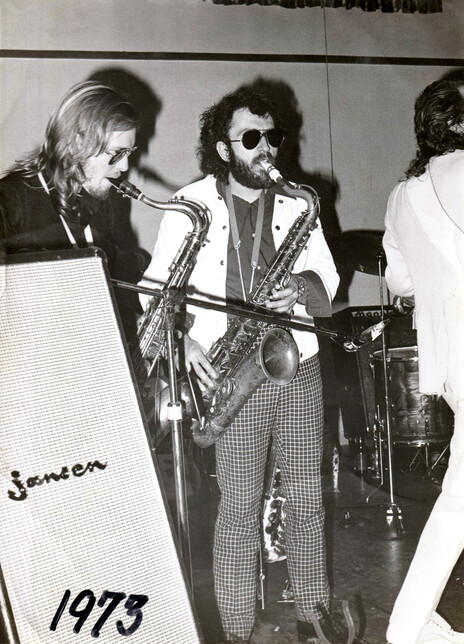
Sid Limbert on tenor saxophone in the 1953 Memorial Society Rock n Roll Band
Photo credit:
Sidney Limbert collection
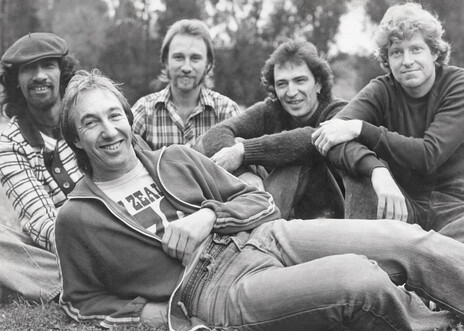
Midge Marsden tour, 1979. From left to right: Sonny Day, Midge Marsden, Ray Chaber, Sid Limbert, Bruce Dennis
Photo credit:
Sidney Limbert collection
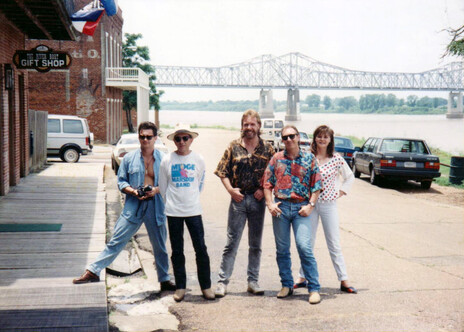
On the banks of the Mississippi River at Under the Hill, Natchez, Mississippi. From left to right: Richard Te One, Sid Limbert, Steve Larkins, Midge Marsden, Miss Lynne.
Photo credit:
Sidney Limbert collection
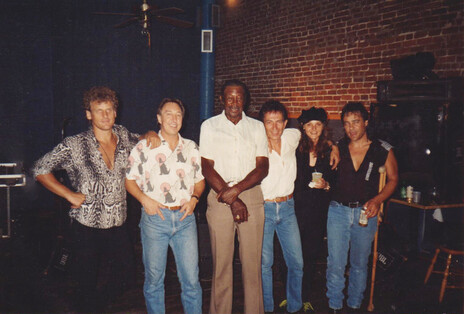
Midge Marsden Band, first US tour in Greenville, Mississippi, 1991. From left to right: Pete (Rooda) Warren, Midge Marsden, Willie Foster, Sid Limbert, Lynne Campbell, Chris Nielson.
Photo credit:
Sidney Limbert collection
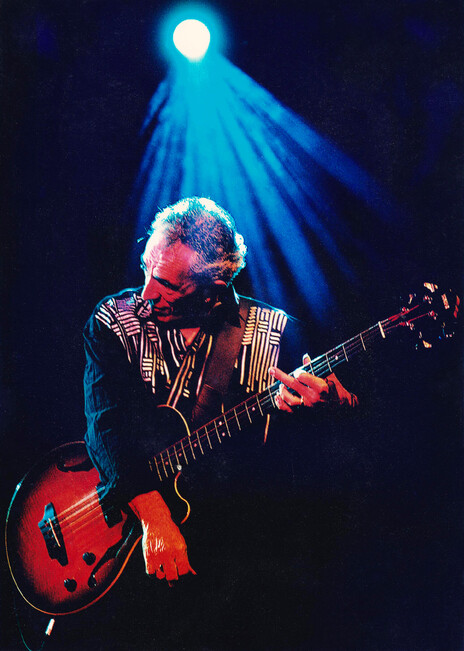
Sid Limbert in The Warratahs, New Year's Eve 1995, Cathedral Square, Christchurch.
Photo credit:
Sidney Limbert collection
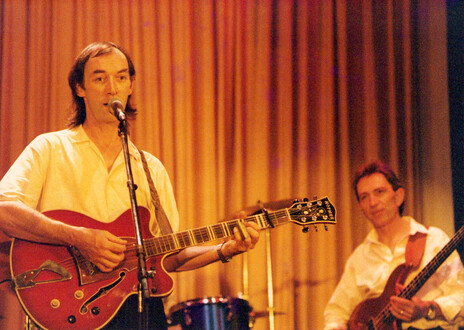
Mike Farrell and Sid Limbert
Photo credit:
Farrell Family Collection

Gentle Annie and friends at the Royal Easter Show, Auckland, 1984. Left to right: Glenn Fuller, Cath Newhook, Andrew White, Steve Garden, Roy Phillips, Sid Limbert.
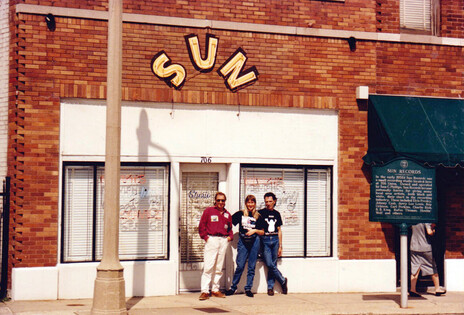
Midge Marsden, Miss Brenda and Sid Limbert outside the legendary Sun Studio, Memphis Tennessee, 1991
Photo credit:
Sidney Limbert collection

Gentle Annie, mid-1984. Left to right: Glenn Fuller, Cath Newhook, Sid Limbert, Anna Rugis.
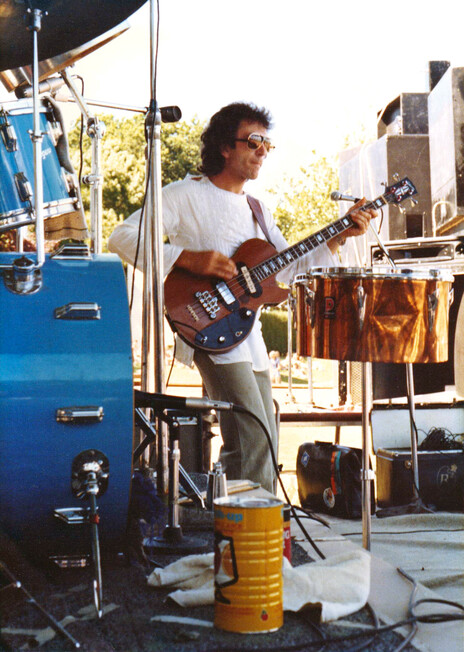
Sid Limbert in Bullseye, Seddon Park, Hamilton
Photo credit:
Sidney Limbert collection
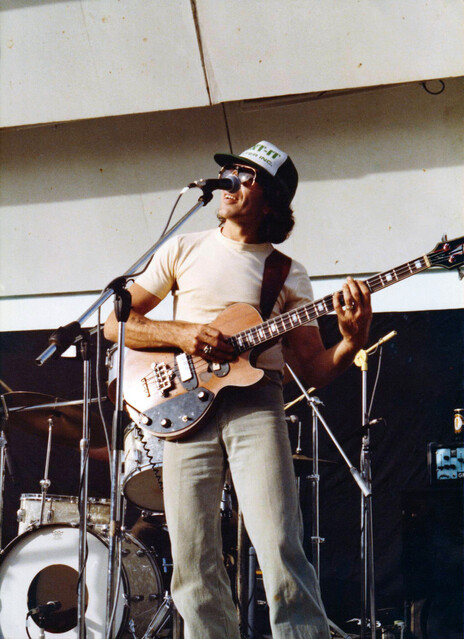
Sid Limbert in Bullseye
Photo credit:
Sidney Limbert collection

Dave Maybee in the front bar ("Clarry’s Bar") of the Harbour View Hotel, Raglan. L to R: Dave Maybee (guitar), Paul Kunac (drums), Sid Limbert (bass).
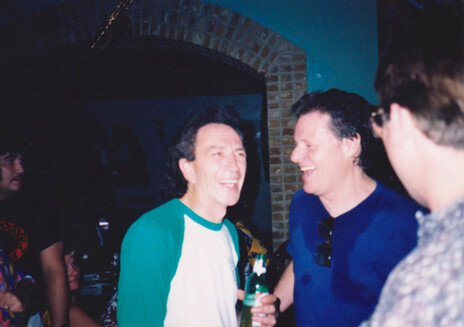
Sid Limbert sharing a laugh during a break with Delbert McClinton.
Photo credit:
Sidney Limbert collection
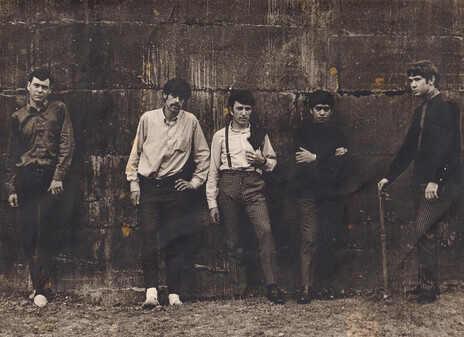
The Exit, 1967 (L-R): John O'Donoghue, Greg Banks, Sid Limbert, Billy Rangiawha, Murray Armstrong.
Photo credit:
Sidney Limbert collection
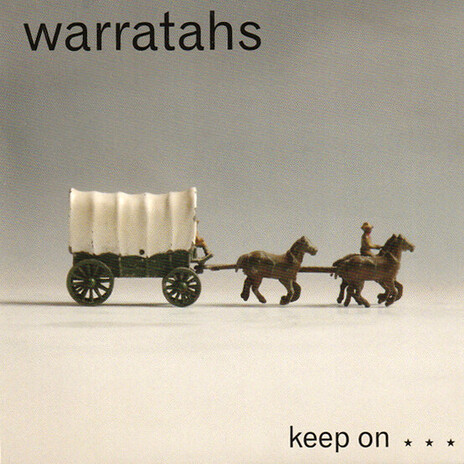
The Warratahs - Keep On ... (Global Routes Music, 2006)
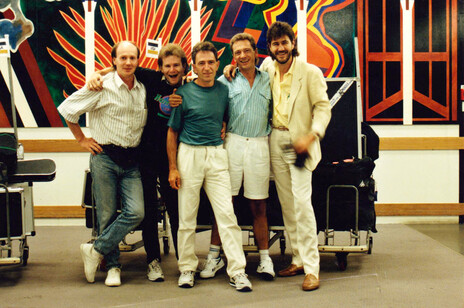
Sid Limbert (centre) in the Brendan Dugan Band, on their return home from Singapore
Photo credit:
Sidney Limbert collection
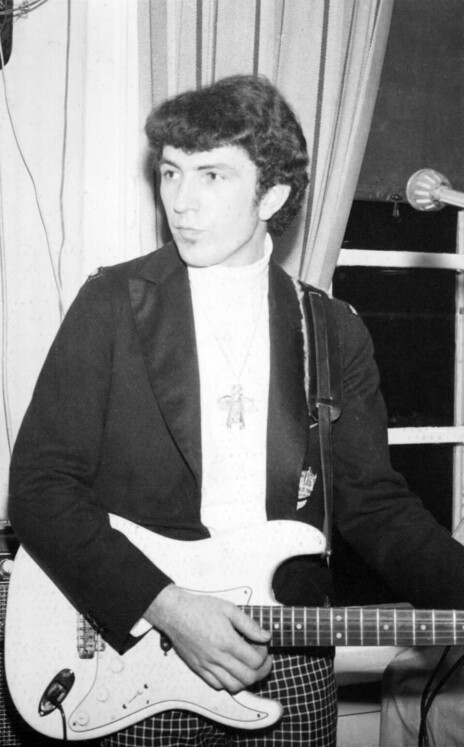
Sid Limbert in 1967
Photo credit:
Sidney Limbert collection
Raglan By The Sea (1987) - a documentary featuring the Raglan Mud Sharks with Sid Limbert on bass. Sid is also interviewed while working at the fish shop.
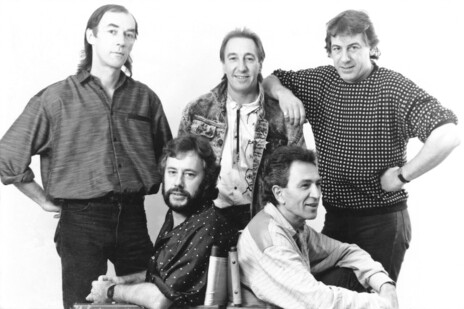
Roomful Of Blues tour. From left to right: Mike Farrell, Neil Reynolds, Midge Marsden, Hammond Gamble, Sid Limbert.
Photo credit:
Sidney Limbert collection

The Warratahs in the 2000s. Left to right: Nik Brown, Sid Limbert, Barry Saunders, Mo Newport.

The Mudsharks play in Raglan: Margaret O'Hanlon (vocals), Dave Maybee (guitar), Sid Limbert (bass), Nigel Hirst (saxophone), Peter Skandera (harmonica), Liam Ryan (keyboards), Freddy Limbert (drums), Neil Reynolds (drums), Noel Lamberton (drums), Midge Marsden (guitar,) Dave McArtney (guitar). Bruce Godfrey (sound).
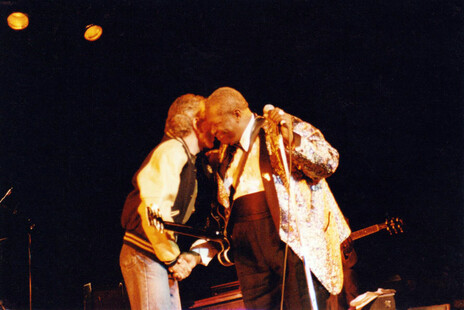
Sid Limbert with BB King. The Remarkable Beat Roosters opened for King's Auckland concert in the early 90s. King was so impressed he called them up on stage to join in the finale.
Photo credit:
Sidney Limbert collection
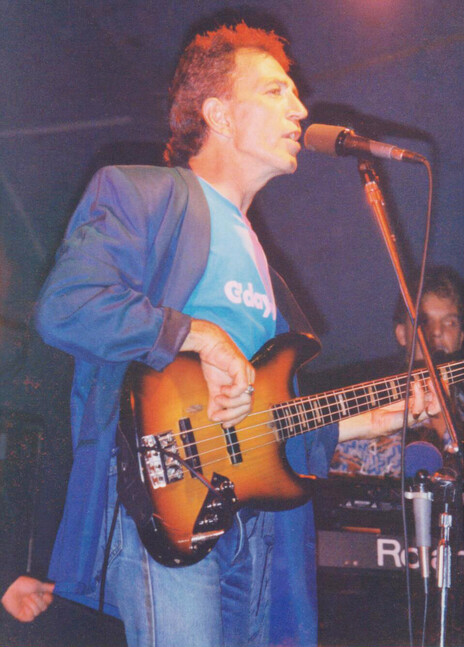
Sid Limbert, mid-1980s in the Midge Marsden Band
Photo credit:
Sidney Limbert collection
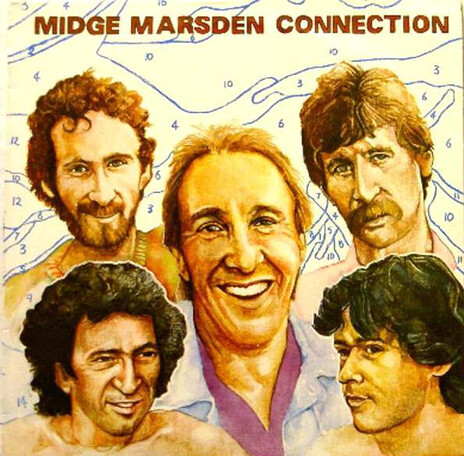
The Midge Marsden Connection (Mandrill, 1981)

High St Auckland 1980. A publicity shot for the Midge Marsden Connection album, with George Thorogood. Liam Ryan, Ta Rutherford, Midge Marsden, George Thorogood, Kev Thomas, and Sid Limbert.jpg
Photo credit:
Sidney Limbert collection

Gentle Annie, mid-1984. Left to right: Glenn Fuller, Sid Limbert, Anna Rugis, Cath Newhook, Errol Shute.
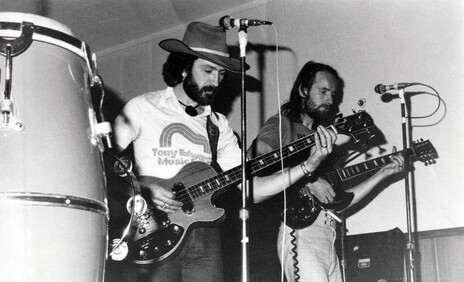
Sid Limbert with Bill Hill in Rat Pie
Photo credit:
Sidney Limbert collection
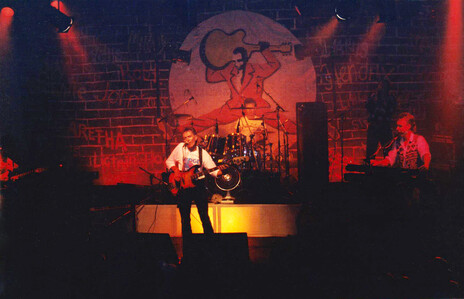
Sid Limbert, Midge Marsden tour, 1992
Photo credit:
Sidney Limbert collection
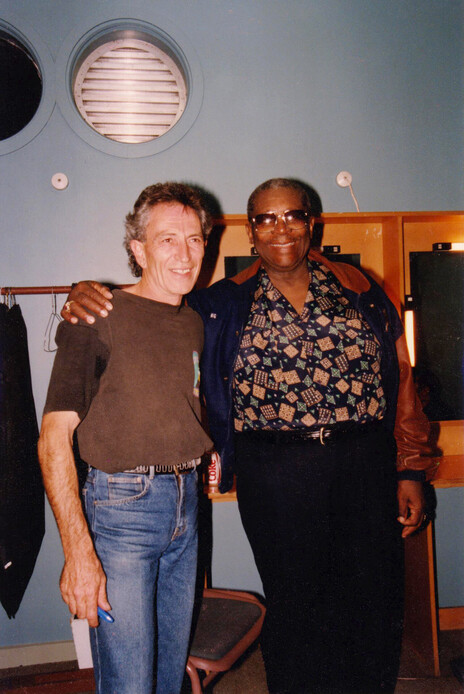
Sid Limbert with BB King
Photo credit:
Sidney Limbert collection
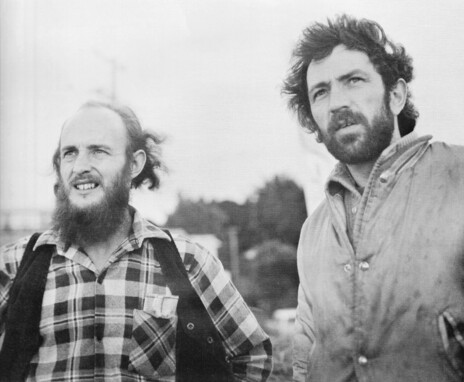
Dave Maybee (left) and Sid Limbert
Photo credit:
Sidney Limbert collection

The big Mudsharks reunion lineup at Raglan Club. From left: Liam Ryan, Peter Skandera, Dave Maybee, Midge Marsden, Sid Limbert, Bill Forrest, Grant Mason, Gary Verberne, Freddie "Fred'Mo" Limbert, Greg Taylor.
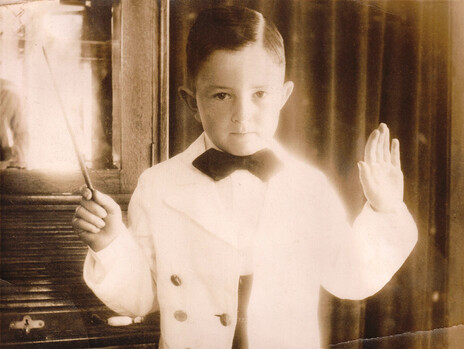
Five year old Sid Limbert as band leader, Tahunanui School, 1954
Photo credit:
Sidney Limbert collection
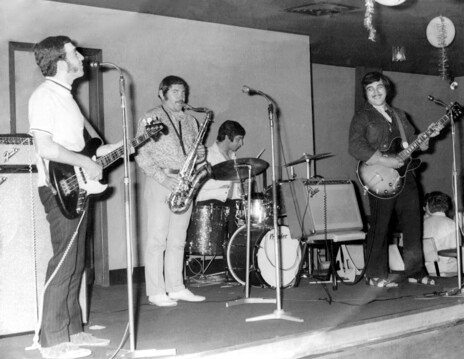
Sid Limbert with the Te Paa brothers, Rex Hotel, Sydney, 1969
Photo credit:
Sidney Limbert collection

One of the first legendary Mudshark lineups, in the front bar ("Clarry’s Bar") of the Harbour View Hotel, Raglan. From left: Sid Limbert (bass), Dave Maybee (guitar), Paul Kunac (drums).
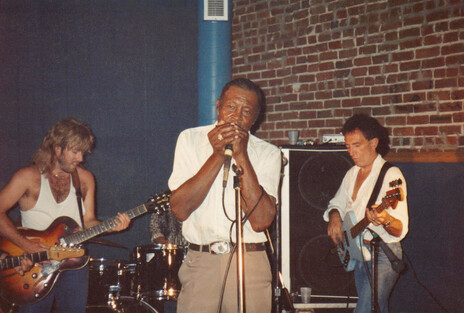
Sid Limbert jamming in Mississippi with Mr. Willie Foster
Photo credit:
Sidney Limbert collection
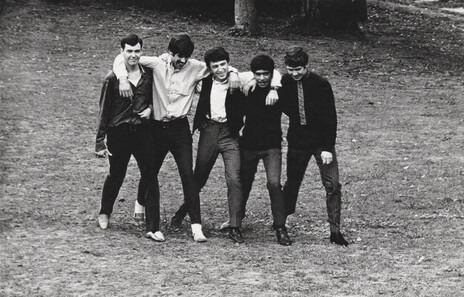
Sid Limbert in The Exit, 1967
Photo credit:
Sidney Limbert collection
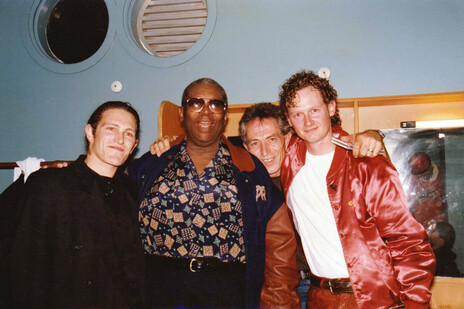
Freddie Limbert, BB King, Sid Limbert, Brian Harley
Photo credit:
Sidney Limbert collection
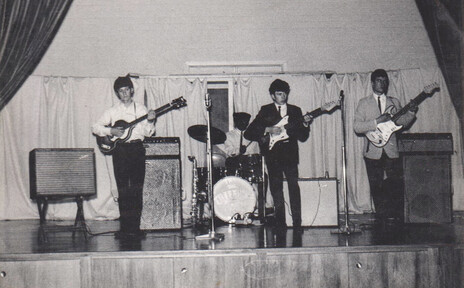
The Triffids, 1964 (L-R): Harold Sabritzky, Ray Harrison (drums), Sid Limbert, and Junior Eketone.
Photo credit:
Sidney Limbert collection
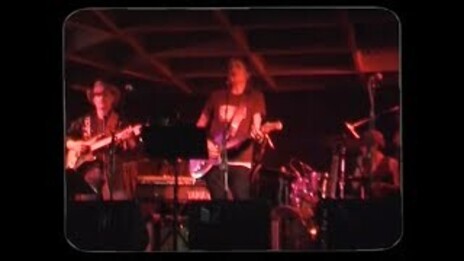
The Raglan Mudsharks at Harbour View Hotel, Raglan, 2011. Dave McArtney (vocals, guitar), Sid Limbert (bass), Freddy Limbert (drums), Dave Maybee (guitar), Liam Ryan (keyboards), Peter Skandera (harmonica), Gary Verberne (guitar).

The Harrington Ford And Associates Go New Zealand Tour in full swing, early 1985. Back, left to right, Andrew Kimber, Kevin Coleman, Bruce Morley, Sid Limbert, Paddy Long, Bob Paris. Front, left to right, Midge Marsden, Suzanne Prentice, Ritchie Pickett (at piano), Tom Sharplin, Michael Roycroft, The Yandall Sisters – Mary, Adele, Pauline.
Photo credit:
Michael Roycroft collection

Gentle Annie and friends hamming it up for their final performance at the Royal Easter Show, Auckland, 1984. Left to right: Sid Limbert, Roy Phillips, Andrew White, Glenn Fuller, Cath Newhook, Steve Garden.
Discography